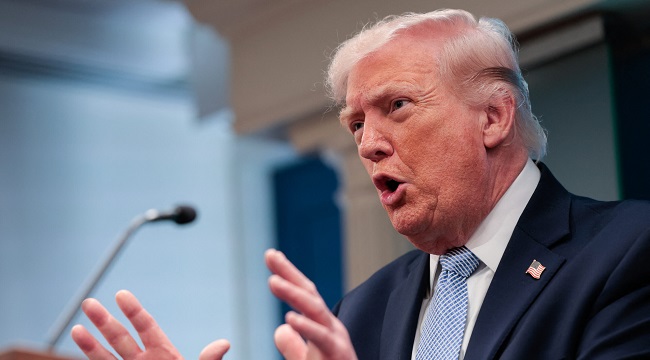
Tensions between the United States and Iran have intensified following former President Donald Trump's outright rejection of Tehran's proposed peace terms. This escalation comes amid ongoing disputes over Iran's nuclear program and its influence in the Middle East, which have remained contentious since Trump's initial withdrawal from the 2015 nuclear deal in 2018.
In response to Trump's dismissal, Iranian officials have issued stern warnings about the potential for renewed military confrontations. "We will not sit idly by while our sovereignty is threatened," said Iranian Foreign Minister Hossein Amir-Abdollahian, emphasizing Tehran's commitment to defending its interests. The rhetoric from both sides suggests a stalemate that could lead to further destabilization in the region.
As diplomatic channels appear to be closing, the implications of this standoff extend beyond bilateral relations. With tensions rising, regional players may feel compelled to take sides, potentially igniting broader conflicts. The international community now faces the challenge of navigating this precarious situation, where a miscalculation could have far-reaching consequences for peace and security in the Middle East.