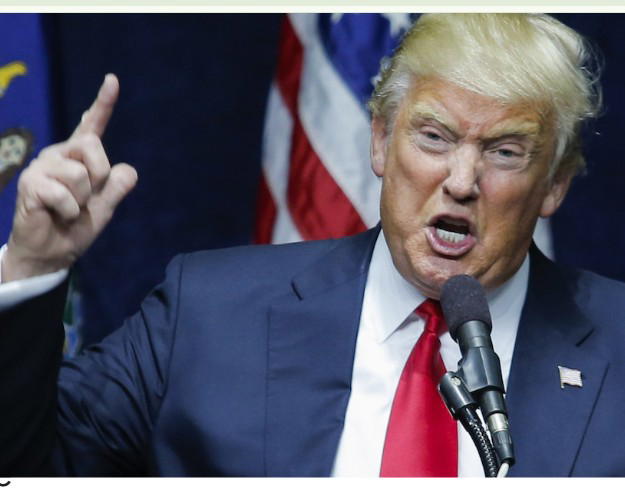
In a charged address to evangelicals, President Donald Trump launched a scathing attack on the Democratic Party, labeling its members "hardcore, godless communists." This rhetoric, aimed at solidifying his base ahead of the 2026 midterms, reflects a broader trend of increasing polarization in American politics. The speech, delivered at a right-wing Christian conference, was marked by numerous inaccuracies about his political opponents, raising concerns among some analysts regarding the integrity of public discourse.
Trump’s remarks resonate with a segment of voters who feel alienated by what they perceive as a secular left. "We must stand united against those who seek to undermine our values," said Jerry Falwell Jr., influential evangelical leader. His comments highlight the delicate balance between political allegiance and religious identity within the evangelical community.
As the political landscape evolves, Trump's ability to rally evangelicals will be crucial for his party’s success. With the 2026 elections approaching, the implications of such incendiary rhetoric could deepen divisions not only within the electorate but also across the broader societal fabric, challenging the prospects for bipartisan cooperation in the future.
