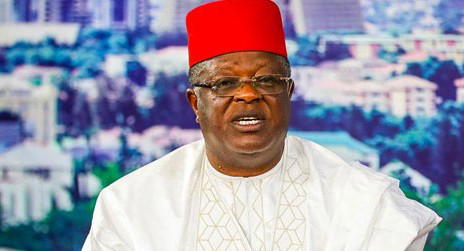
President Bola Tinubu's administration is making a significant financial commitment to infrastructure development, with Minister David Umahi announcing an investment of N34 trillion. This ambitious plan encompasses both ongoing projects and those inherited from previous administrations, aiming to enhance Nigeria's transport networks, energy supply, and overall economic infrastructure.
The decision to borrow for these investments reflects a strategic pivot toward addressing the country’s longstanding infrastructural deficits. Umahi emphasized the importance of this initiative, stating, “Investing in infrastructure is essential for our economic growth and development. It will provide jobs and improve the quality of life for millions of Nigerians.” The funding strategy aims to stimulate economic activity while addressing critical needs in power and transportation sectors.
Looking ahead, the success of these projects will depend on effective execution and management. If implemented efficiently, this infrastructure drive could be a game-changer for Nigeria, boosting economic resilience and attracting foreign investment. However, the reliance on borrowing raises questions about fiscal sustainability and the long-term implications for Nigeria's economy. The coming years will be crucial in determining whether this ambitious vision translates into tangible benefits for Nigerian citizens.