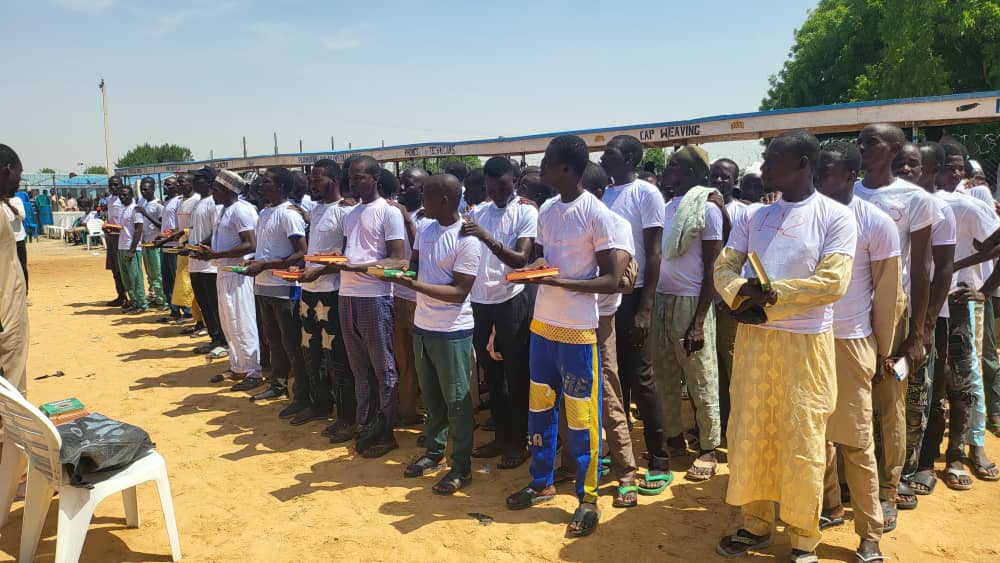
The recent surrender of commanders from the Islamic State West Africa Province (ISWAP) has reignited concerns over the potential for reintegration without true deradicalization. As these insurgents lay down their arms, many experts fear that the underlying ideologies remain intact, posing ongoing threats to regional stability. This skepticism stems from past experiences where disengagement did not equate to a change in extremist beliefs.
The Nigerian military has reported a surge in surrenders, but stakeholders like Dr. Amina Bello, a counter-terrorism analyst, emphasize the need for comprehensive rehabilitation programs. "They disengage but never deradicalise," she warns, underscoring the risk of former militants returning to extremist activities. The challenge lies not just in disarming individuals but in addressing the root causes of their radicalization.
Looking ahead, authorities must prioritize effective deradicalization initiatives that extend beyond mere military success. These programs should focus on education, psychological support, and community engagement to truly transform former insurgents and mitigate the risks of re-emergence. Without such efforts, the cycle of violence may continue, undermining years of progress in combating terrorism in the region.
