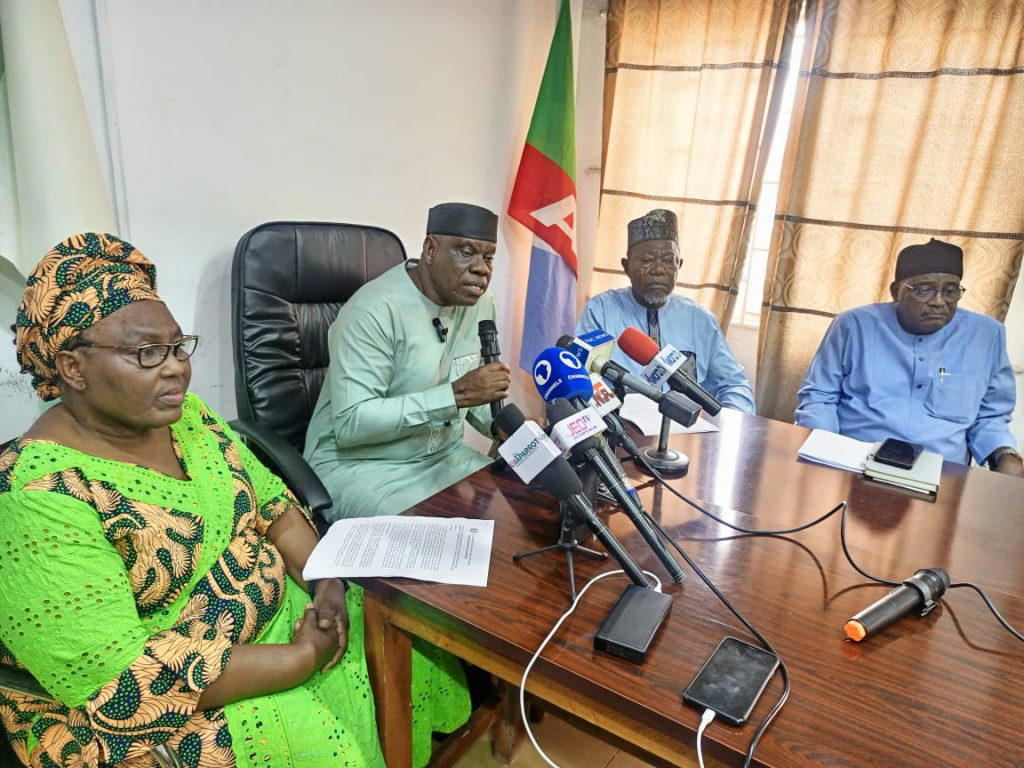
In a notable shift within Nigeria's political landscape, the African Democratic Party (ADP) has transitioned from the margins to a more influential role, largely under the leadership of Ralph Nwosu. His prolonged tenure as chairman has sparked intense scrutiny regarding the governance and decision-making practices within the party. Critics argue that while Nwosu's leadership has provided stability, it has also fostered a culture resistant to change.
Recent internal debates have highlighted concerns over transparency and inclusivity, essential for any party aspiring to broaden its appeal. "We need to ensure that our leadership reflects the diverse voices within our membership," stated Ebele Okeke, a prominent party member, underscoring the demand for a more democratic approach. The ADP’s evolution is a critical case study in balancing continuity with necessary reform.
As Nigeria approaches the next electoral cycle, the ADP's ability to adapt may determine its future relevance. If it can embrace a more progressive leadership model, the party could not only solidify its newfound prominence but also play a pivotal role in shaping the nation's political discourse. The onus remains on Nwosu and the party's leadership to respond to these emerging challenges.