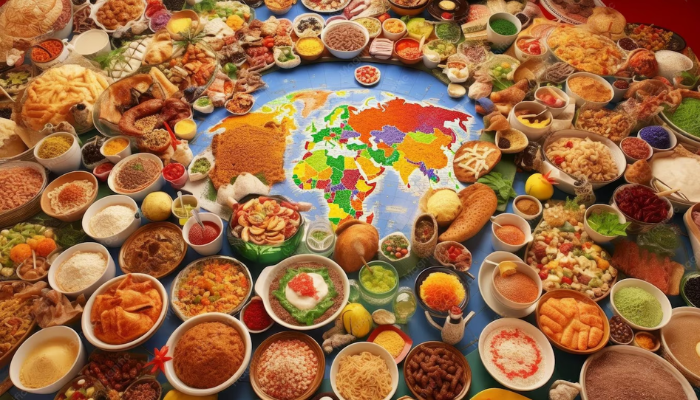
As global food security concerns intensify, the role of major food-exporting nations has come under scrutiny. Recent data reveals that just ten countries supply nearly half of the world's food exports, highlighting the interdependence of nations in the agricultural sector. This concentration raises questions about vulnerability to supply chain disruptions, geopolitical tensions, and climate change impacts.
The report emphasizes that countries like the United States, Brazil, and China dominate exports, affecting food prices and availability across the globe. "We must ensure that our food systems are resilient and equitable," stated Dr. Emily Carter, a food policy analyst. The reliance on a limited number of exporters could lead to crises if these nations face adverse weather events or political instability.
Looking ahead, policymakers must prioritize diversifying food sources and investing in sustainable agricultural practices. By fostering local production and enhancing trade relationships, nations can build more resilient food systems that are less susceptible to shocks. The future of global food security hinges on collaborative efforts to address these pressing challenges while ensuring equitable access to nourishment for all.