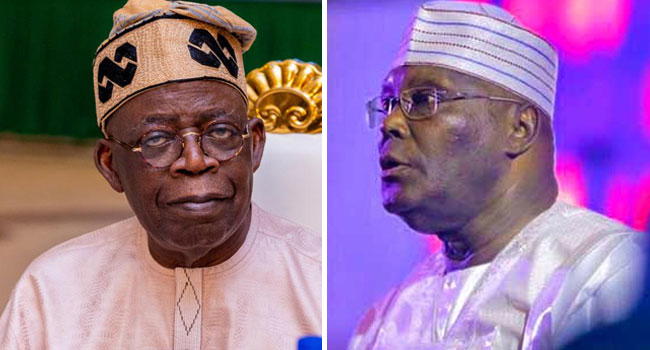
The Labour Party crisis has reached a pivotal moment as millions of supporters anticipate the upcoming hearings that could reshape its future. Infighting within the party has escalated since the last election, raising questions about its leadership and unity. Key factions are at odds, with factions loyal to different leaders vying for control, thereby undermining the party's effectiveness and electoral prospects.
Demola Abimboye, a prominent political analyst, argues for swift resolution, stating, “The Labour Party must reunite to harness the collective strength of its supporters; otherwise, it risks becoming irrelevant in Nigerian politics.” This crisis reflects broader issues in Nigerian political dynamics, where internal divisions can significantly weaken a party's influence and voter appeal.
As the trial unfolds, the Labour Party faces a critical test of its resilience and commitment to its grassroots supporters. It must address leadership disputes and find common ground if it hopes to maintain its relevance in the 2027 elections. The outcome of these hearings could either lead to a rejuvenated party or further fragmentation, impacting its role in shaping Nigeria's political landscape.