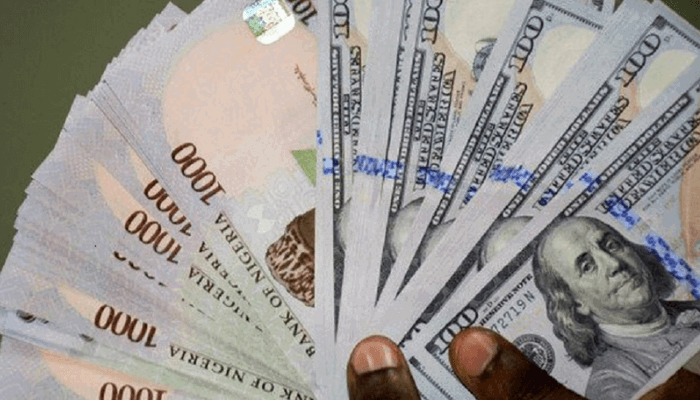
In Nigeria, a silent financial drain is affecting countless citizens, with hidden taxes quietly siphoning off earnings and savings. These taxes, often embedded in everyday transactions and services, have become a significant concern as many are unaware of their existence and implications. A recent report from BusinessDay highlights how these taxes can diminish disposable income and stifle economic growth for average Nigerians.
Key developments indicate that the government has been increasingly reliant on indirect taxes to boost revenue, placing the burden disproportionately on low and middle-income earners. "The average Nigerian is paying more than they realize, which limits their ability to save and invest," says Chijioke Anozie, an economist at the National Bureau of Statistics. This situation not only affects personal finances but also hinders broader economic progress.
Looking ahead, awareness and transparency regarding these hidden taxes are crucial. As citizens become more informed, there is potential for advocacy towards fairer tax policies that prioritize equitable financial responsibility, ensuring that all Nigerians can contribute to and benefit from the nation’s economic growth.