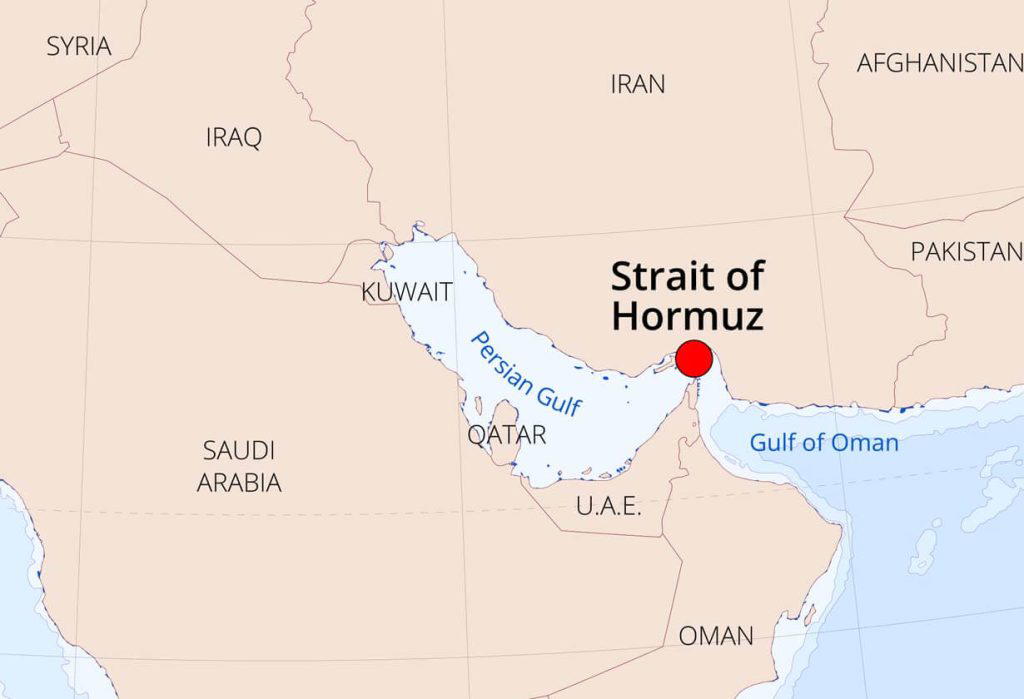
The Strait of Hormuz remains a critical artery for global oil supply, underscoring its importance amid rising geopolitical tensions. With approximately 21 million barrels of oil transiting daily, any disruption could exacerbate energy crises and destabilize economies worldwide. Recent military exercises by regional powers have raised alarms about potential blockades, prompting calls for international diplomatic efforts to ensure the strait remains open.
"Securing the Strait of Hormuz is not just a regional issue; it’s a global imperative," stated Fatima Al-Mansoori, an analyst at the Middle East Institute. She emphasized that the reliance on this passageway highlights the interconnectedness of global markets and the need for cooperative security measures.
As nations grapple with energy transitions and fluctuating oil prices, the strait's stability will be paramount for economic resilience. Stakeholders must prioritize dialogue and conflict de-escalation to safeguard this vital route. The world is watching closely, as the future of energy supply may hinge on the ability of nations to maintain open channels in these turbulent waters.