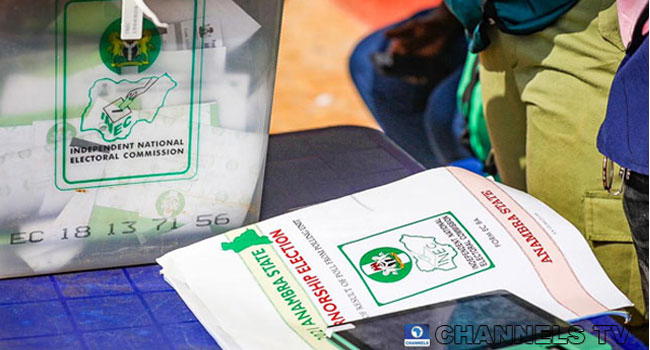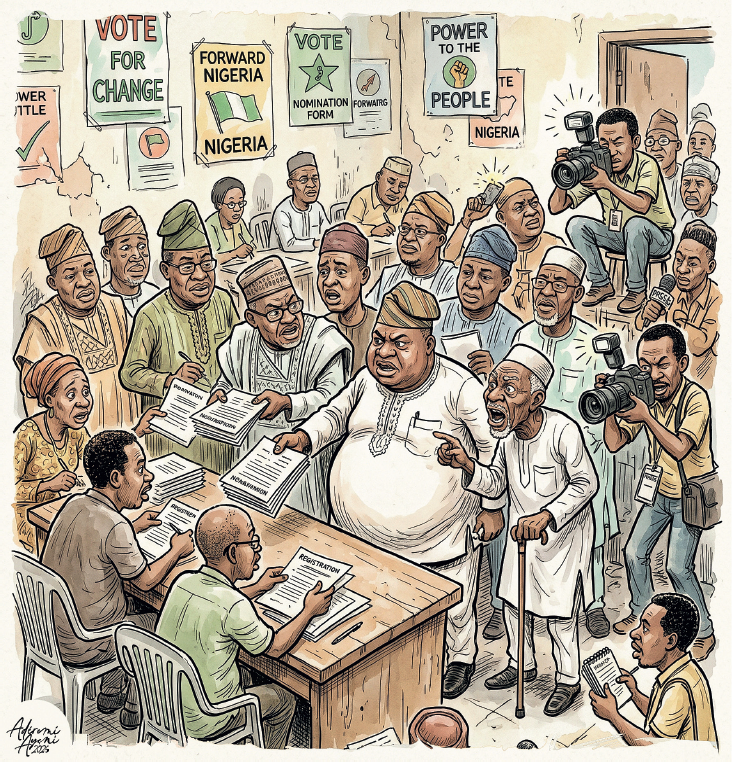
As the 2027 general elections draw near, the political landscape in Africa is once again dominated by familiar faces, raising questions about leadership renewal. The scramble for party tickets has intensified, with seasoned politicians vying to retain their positions, while emerging leaders struggle for visibility and influence. This cyclical pattern reflects a broader trend where established figures often overshadow new entrants, stifling potential change.
In Nigeria, for instance, the ruling party's primary elections are seeing past leaders and their allies solidify their grip on power. "We need fresh ideas and new faces, but the system keeps recycling the same leaders," laments Ayo Olusegun, a political analyst. This sentiment resonates across various African nations, where the continuity of leadership often compromises democratic evolution.
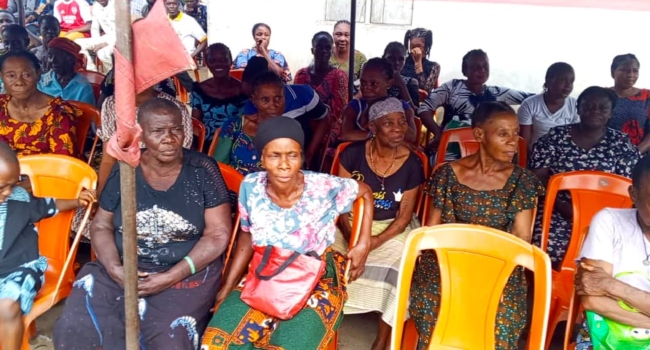
As the elections approach, citizens are increasingly questioning whether their votes will genuinely catalyze change or simply reinforce the status quo. With discontent brewing and calls for reform growing louder, the upcoming elections may serve as a pivotal moment for either the continuation of entrenched leadership or a potential shift towards a more dynamic political future.