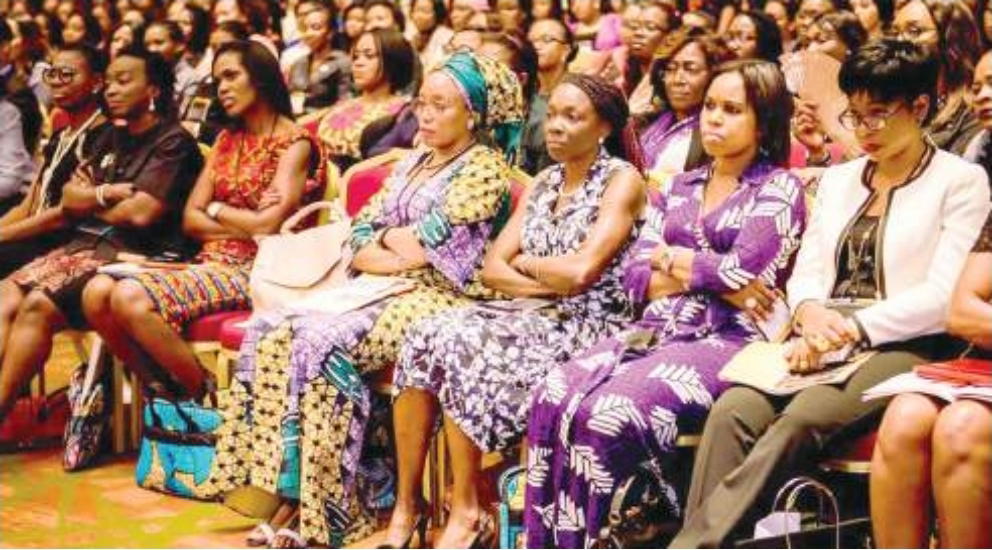
As women ascend to leadership roles in politics, they navigate a complex landscape shaped by societal expectations and unspoken norms. A recent article in Vanguard sheds light on the hurdles faced by female leaders, emphasizing that their political aspirations are often influenced by invisible rules that dictate behavior and perception. These challenges manifest before elections, affecting how women are viewed by both constituents and their peers.
Key developments in recent years illustrate this dynamic. Women who hold office frequently contend with scrutiny over their personal lives and leadership styles, which are often unfairly amplified compared to their male counterparts. "Women in politics must balance authenticity with the expectations set upon them, often leading to a double standard," notes Dr. Amina Bello, a political analyst. This sentiment resonates across various regions in Africa, where traditional gender roles continue to permeate political discourse.
Looking ahead, it is crucial for political systems to evolve and support the unique journeys of women leaders. By addressing these invisible rules, societies can foster an environment where female politicians can thrive, ultimately enriching democratic processes and representation.