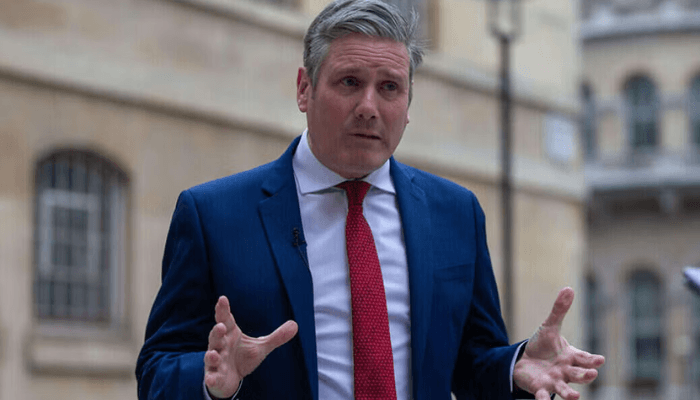
On a day marked by political theater, British Labour Party leader Sir Keir Starmer faced intense scrutiny as his party grappled with internal divisions and external pressures. The recent parliamentary debates have underscored a growing discontent within Labour, as factions clash over policy direction and electoral strategy, exacerbated by a looming general election.
Starmer's leadership is increasingly challenged by voices within his party advocating for a more progressive stance, particularly on issues such as climate change and social justice. "We need a leader who embraces the values of our grassroots," stated Emily Thornberry, Labour’s Shadow International Trade Secretary. This sentiment reflects a broader yearning for a return to the party's traditional base, as many members fear that the current trajectory could alienate voters.
As Labour navigates these turbulent waters, the stakes are high. The party must reconcile its identity and appeal to a diverse electorate while remaining competitive against the Conservatives. Looking ahead, how Starmer addresses these internal challenges will be crucial not only for his political future but also for the direction of the Labour Party itself in the coming months.