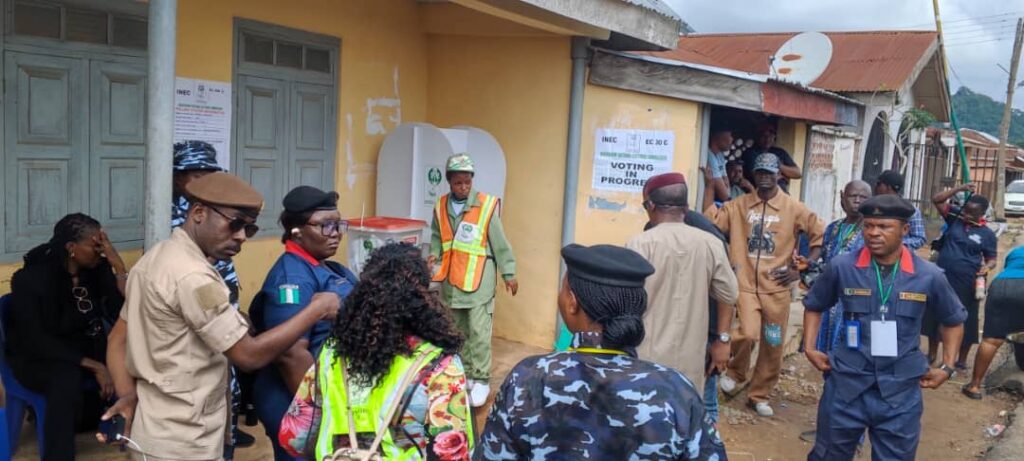
Technical failures at a major polling unit in Ado-Ekiti, the capital of Ekiti State, have raised concerns about the integrity of the electoral process during the June 2026 elections. Voters faced significant delays as malfunctioning machines hindered the casting of ballots, prompting frustration among citizens eager to participate in the democratic process.
Election officials have acknowledged the situation, with the state’s electoral commission stating, “We are working diligently to resolve these issues and ensure that every vote counts,” according to the commission's spokesperson, Adeola Akinyemi. This disruption follows a series of logistical challenges faced in previous elections, raising questions about preparedness and technological reliability in a country where electoral credibility is paramount.
As the electoral commission scrambles to rectify the glitches, the implications for voter turnout and confidence in the electoral system could be profound. With the stakes high for both the governing party and the opposition, the handling of these technical issues will likely shape public perception and future electoral reforms in Nigeria. Stakeholders will be closely monitoring the situation to ensure that every citizen's voice is heard and respected in this crucial democratic exercise.


