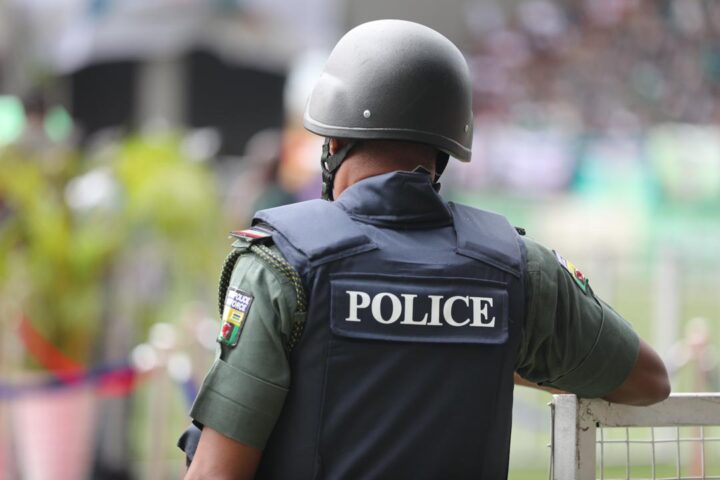
The establishment of state police in Nigeria has ignited concerns over potential funding crises and executive overreach. Balarabe Sule, a former Commissioner of Police, highlighted the vulnerabilities in the newly legislated state police framework, predicting that without adequate financial support, the system is likely to falter. He emphasized that the financial burden on state governments could lead to severe operational limitations, undermining the very purpose of local policing.
Sule pointed out that governors, who have significant control over state police funding, may prioritize political interests over effective law enforcement. "If state police are left at the mercy of governors' whims, we risk creating a force that serves political ends rather than public safety," he stated. This raises critical questions about accountability and the independence of law enforcement in the face of potential misuse of power.
As Nigeria grapples with rising insecurity, the effectiveness of state police hinges on robust funding mechanisms and safeguards against political manipulation. The upcoming fiscal policies and governance structures will be crucial in determining whether state police can fulfill their intended role in enhancing security or become yet another tool for political control.