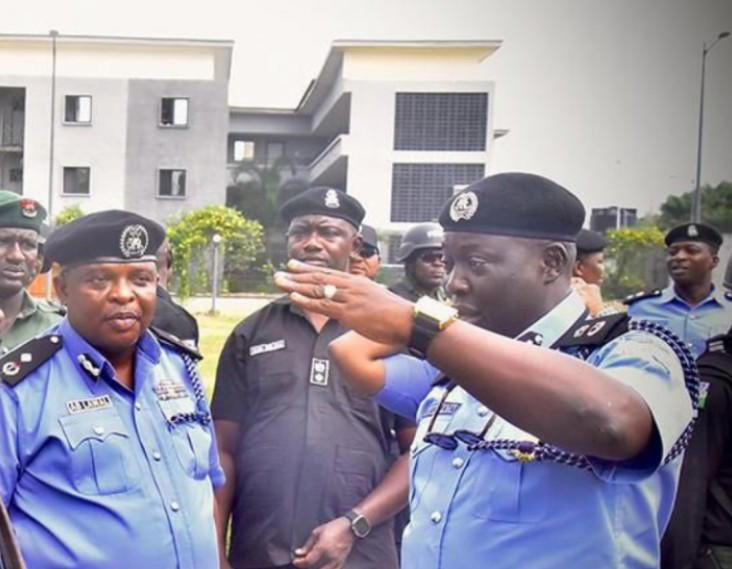
The debate over establishing state police in Nigeria has intensified, reflecting deep divisions over security governance in the country. Proponents argue that decentralizing policing would enhance local accountability and responsiveness, particularly in regions grappling with unique security challenges like banditry and insurgency. Critics, however, express concerns about potential misuse of power and the risk of politicization, fearing that state governments might leverage police forces for partisan purposes.
Recent discussions have spotlighted the urgent need for reform in Nigeria's security architecture. According to the Inspector General of Police, Usman Baba, "The current system is strained and requires an overhaul to meet the growing security demands of our diverse population." This highlights the limitations of a centralized police force that struggles with resource allocation and operational efficiency.
As Nigeria grapples with escalating violence and crime, the call for state police may soon reach a tipping point. The outcome of this debate could reshape the nation’s security landscape, with implications for governance and public safety. The decision will ultimately hinge on balancing local autonomy with the need for a unified, accountable policing system that protects all citizens.