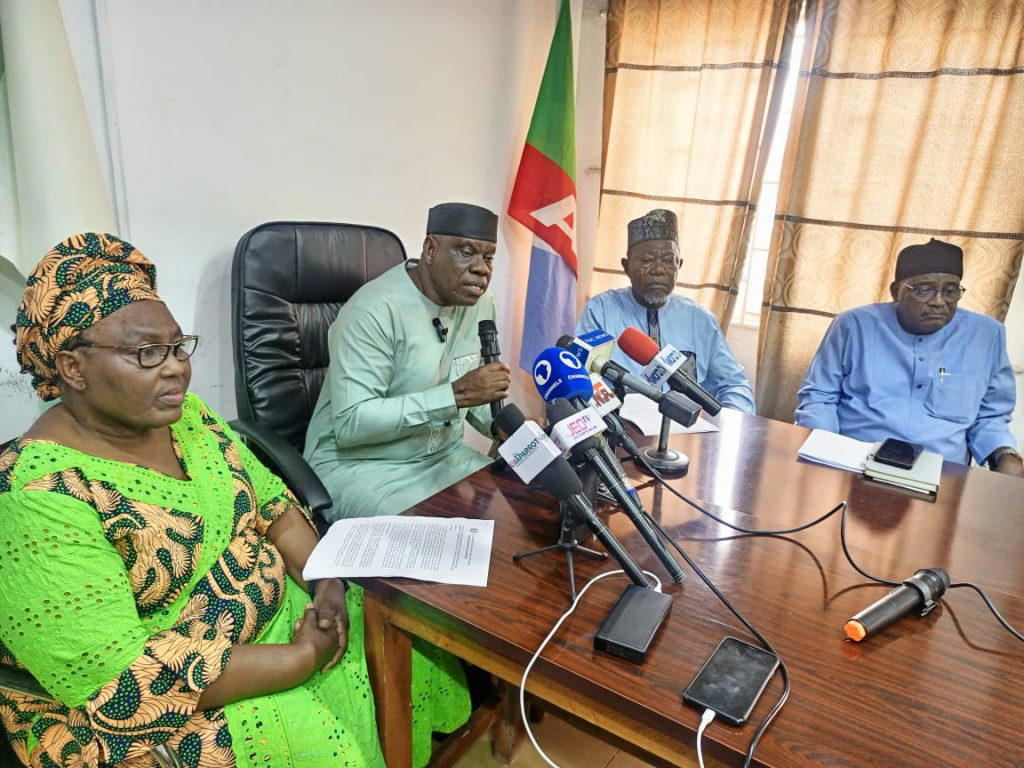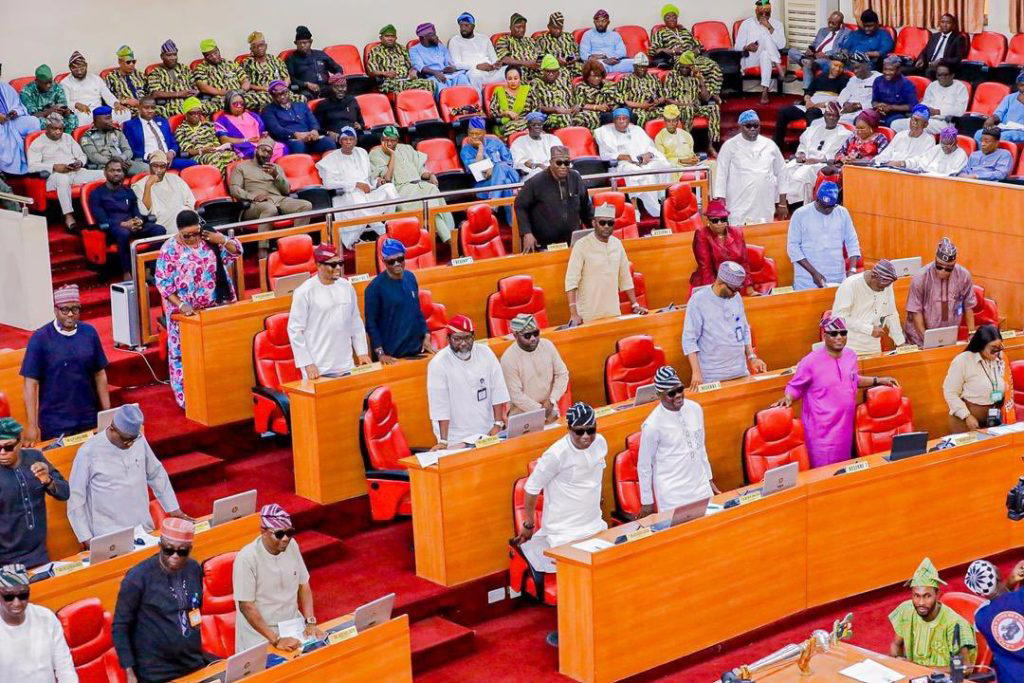
The Lagos State House of Assembly's recent endorsement of state police marks a significant shift in Nigeria's approach to security governance. In a nation grappling with escalating crime and regional disparities in law enforcement effectiveness, state control over police services could enhance local responsiveness and accountability.
The Assembly's decision aligns with calls from various stakeholders who argue that a centralized police force has struggled to address specific local security needs. "For too long, our security apparatus has been reactive rather than proactive," stated Mudashiru Obasa, Speaker of the Lagos State House of Assembly. He emphasized that empowering states would lead to tailored policing strategies that resonate with community concerns.
This endorsement reflects a growing consensus among state leaders advocating for decentralized policing as a remedy to Nigeria’s multifaceted security crises. As discussions unfold at the federal level, the potential implementation of state police could redefine the landscape of law enforcement in Nigeria, fostering a more localized and effective approach to public safety. However, careful consideration of governance structures and accountability mechanisms will be crucial to prevent misuse of power and ensure public trust.