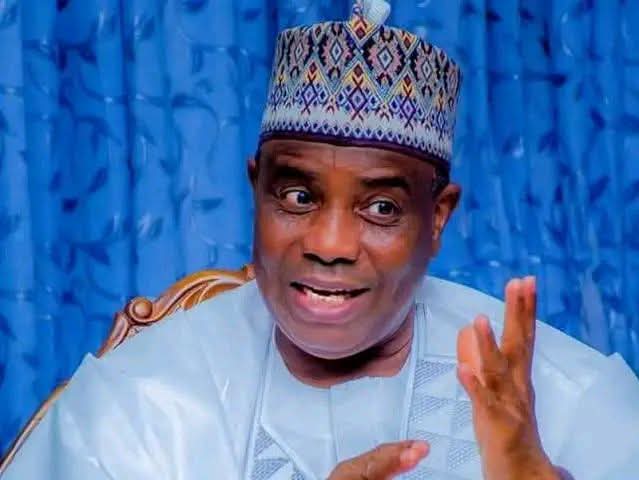
As Nigeria gears up for the 2027 elections, the political landscape is undergoing significant transformations driven by electoral reforms and strategic party realignments. Key figures from various parties are maneuvering to position themselves favorably, reflecting a heightened urgency to address longstanding electoral challenges.
Recent discussions have centered on the Electoral Act amendments, aiming to ensure transparency and inclusivity in the electoral process. Notably, prominent politicians are exploring potential alliances to consolidate their bases. "We must prioritize the people's interest over party loyalty; only then can we restore faith in our democracy," stated Abubakar Sadiq, a member of the National Assembly. This sentiment is echoed among many stakeholders who recognize the need for a robust political framework.
Looking ahead, the 2027 elections promise to be a pivotal moment for Nigeria, with the potential to reshape its political dynamics significantly. As reforms take shape, the interplay of party strategies and voter sentiment will be crucial in determining the future governance of Africa's most populous nation. The coming months will be critical as political actors navigate these changes to secure their positions.