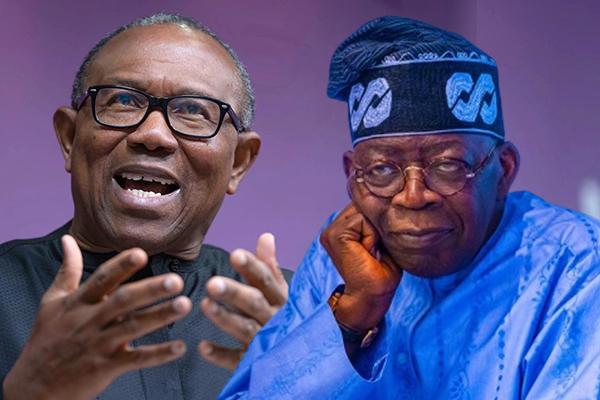
In a striking political parallel, Peter Obi has called for Nigerian President Bola Tinubu to resign, drawing inspiration from British Labour leader Keir Starmer's recent departure amid mounting public discontent. Starmer's exit was precipitated by economic turmoil and escalating living costs, which have similarly plagued Nigeria under Tinubu's administration. Obi's comments reflect a growing consensus that leadership accountability is crucial in times of crisis.
The backdrop of Starmer's resignation highlights a broader narrative of governance challenges faced globally. Obi stated, "The failure in governance under Tinubu has led to unbearable hardships for our people," emphasizing the urgent need for responsive leadership. As economic pressures mount, this rhetoric resonates with a populace increasingly frustrated with unmet promises and stagnant reforms.
Looking ahead, the political ramifications of Obi's call could intensify pressures on Tinubu to reassess his policies. With upcoming elections on the horizon, the demand for accountability may not only reshape Nigeria's political landscape but also influence the governance strategies of leaders across Africa. As citizens seek effective solutions to their pressing issues, the role of leaders in addressing these challenges will be critically scrutinized.
