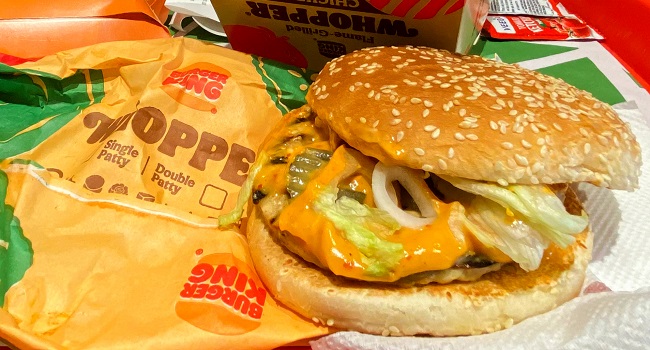
In a decisive move to combat rising obesity rates, Sri Lanka has banned junk food in schools, responding to alarming health statistics among its youth. As of 2024, 12 percent of schoolchildren aged 13 to 17 were classified as overweight, with an additional 3 percent deemed obese, prompting urgent governmental action.
The ban reflects growing concerns about the long-term health implications of poor dietary habits, particularly in a nation where economic pressures have made unhealthy food options more accessible. "This is not just about nutrition; it’s about the future health of our children," said Dr. Anjali Perera, a senior health official. The initiative aims to foster healthier eating habits among students, promoting fruits, vegetables, and whole grains in school meal programs.
As Sri Lanka grapples with this public health challenge, the implications extend beyond immediate dietary changes. The government's proactive stance may set a precedent for broader public health initiatives, potentially inspiring similar measures in other countries facing childhood obesity crises. The success of this ban will likely hinge on the government’s ability to implement effective educational programs alongside enforcement.
