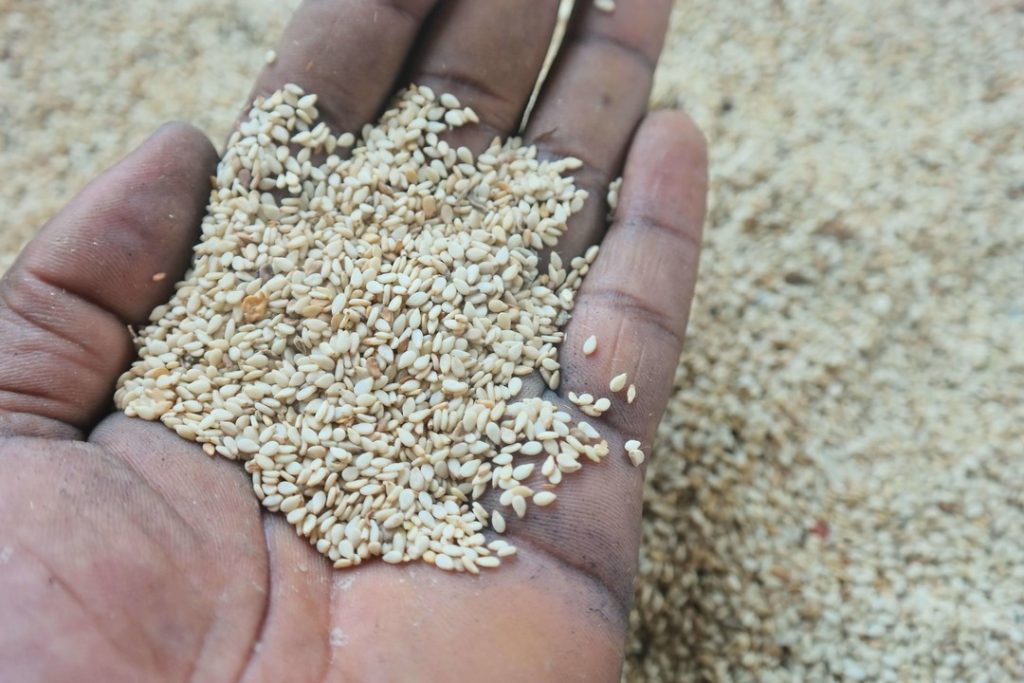
Nigeria's sesame seed exporters are increasingly anxious as insecurity and flooding threaten to undermine the anticipated production boom in 2026. The country, a leading global sesame supplier, has already seen escalating violence in major production areas, disrupting farming activities and logistics. Furthermore, climate change has intensified the risk of flooding, adding to the uncertainty faced by producers.
In recent weeks, farmers have reported attacks from armed groups, which have not only hampered cultivation but also raised concerns about the safety of laborers. "If this insecurity continues, we may lose our market position," warned Ayo Fadeyi, chairman of the Nigerian Sesame Exporters Association. The situation is compounded by the looming rainy season, which could exacerbate flooding risks, threatening crops that are crucial for both local and international markets.
As exporters brace for these challenges, the need for robust security measures and adaptive farming techniques has never been more urgent. Without swift intervention, Nigeria risks losing its competitive edge in the global sesame market, potentially impacting the livelihoods of countless farmers and the economy at large. Stakeholders are calling for collaborative efforts to ensure resilience against these mounting threats.