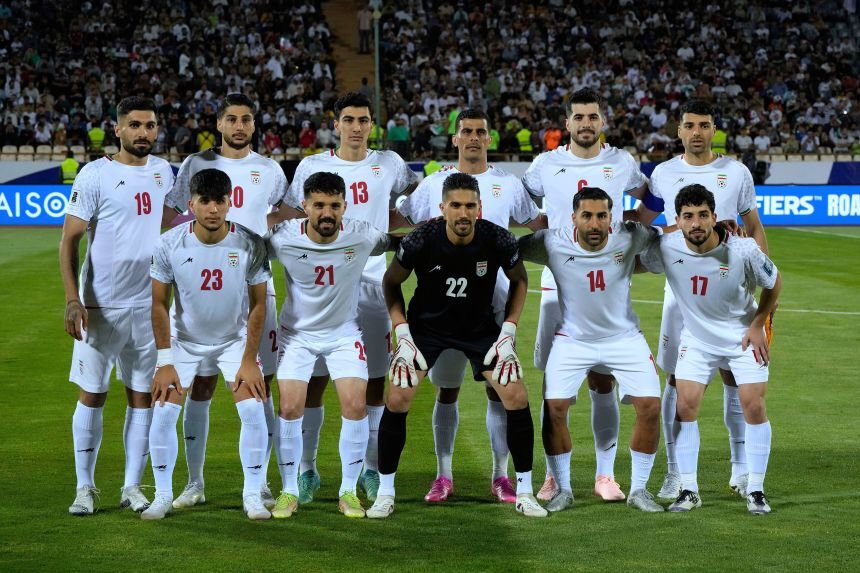
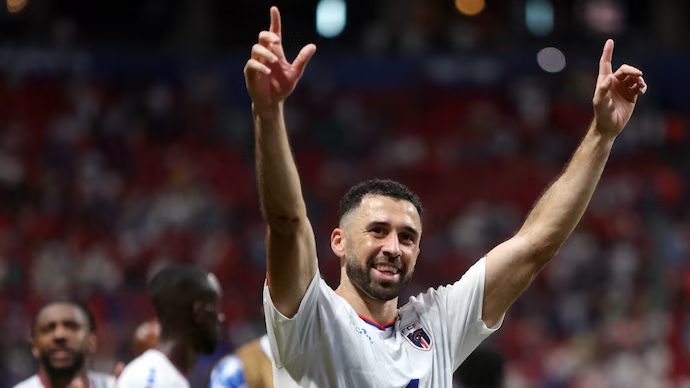
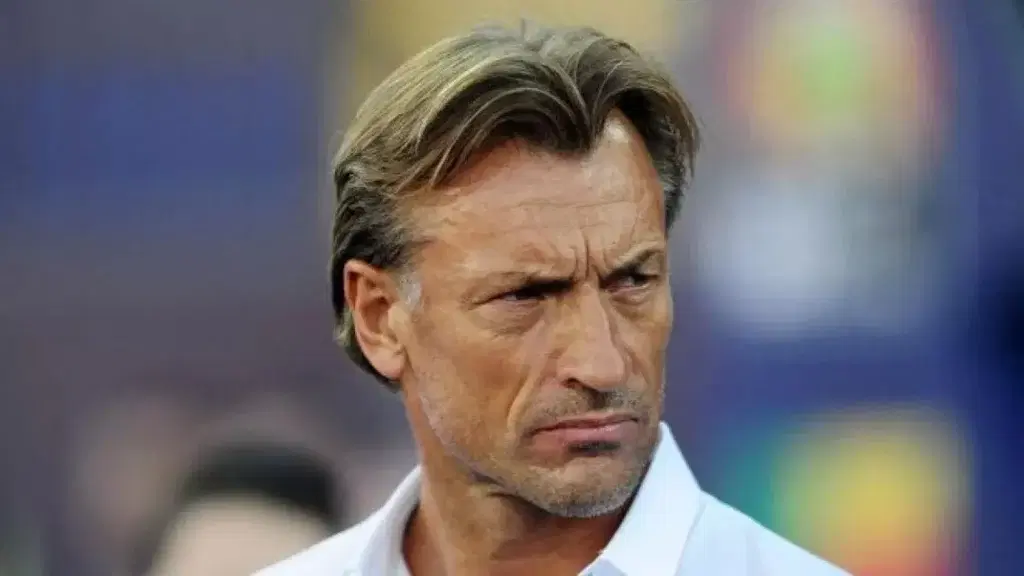
The upcoming football match between Senegal and France has ignited discussions that extend beyond the pitch, reflecting deeper socio-political dynamics within Africa. As the continent's soccer prowess grows, so does the scrutiny on how colonial legacies shape contemporary relationships and rivalries. Senegal's political landscape, led by figures like Ousmane Sonko, highlights this intersection of sport and politics.
Sonko remarked, “In any case, it's only a football match. But if you want to look at the match politically, then whoever wins, Africa will have beaten Africa.” This statement underscores the complex narratives surrounding African nations competing against former colonial powers. The match serves not just as a sporting event but as a symbolic battleground where national identities and historical grievances collide.
As Senegal prepares to face France, the implications extend beyond the game itself. The result could amplify national pride or reignite debates about post-colonial identities. Regardless of the outcome, the match is likely to resonate within Africa, reinforcing the notion that sporting success can both unite and divide, prompting a reevaluation of Africa’s place in global sports and politics.