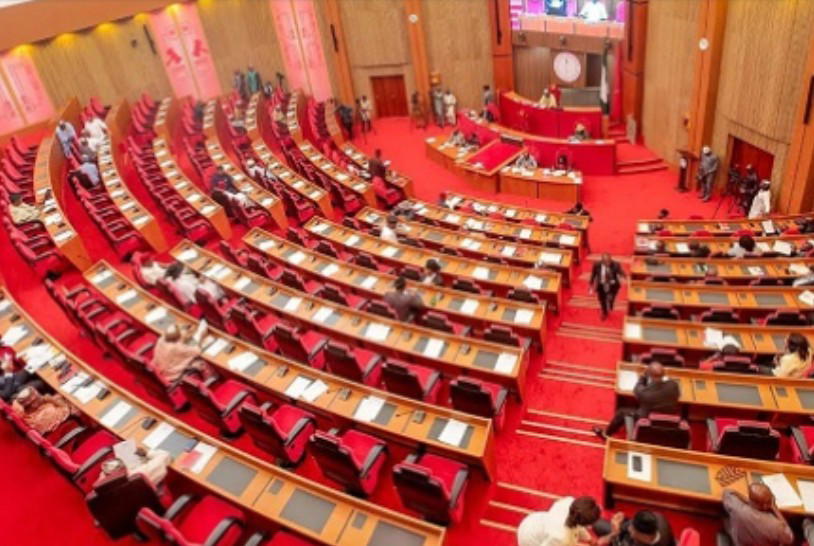
In a significant move towards enhancing national food security, the Nigerian Senate has advanced three key bills aimed at reducing rice imports and bolstering local production. This initiative comes in response to the rising food insecurity exacerbated by external supply chain disruptions and fluctuating global prices. The proposed legislation seeks to incentivize domestic farmers and promote sustainable agricultural practices, thereby reducing reliance on imported rice.
Senator Adetunji Ojo, chair of the Senate Agricultural Committee, emphasized the urgency of these measures, stating, "We cannot continue to rely on imports when we have the capacity to feed ourselves. This is not just about rice; it’s about our national sovereignty and economic stability." The Senate's commitment reflects a broader strategy to strengthen Nigeria’s agricultural sector, which has faced numerous challenges, including inadequate infrastructure and climate change impacts.
As the bills progress, stakeholders anticipate that successful implementation could not only enhance food security but also stimulate job creation in rural communities. If these legislative efforts are realized, Nigeria could pave the way for a more resilient and self-sufficient food system, crucial for its economic future.