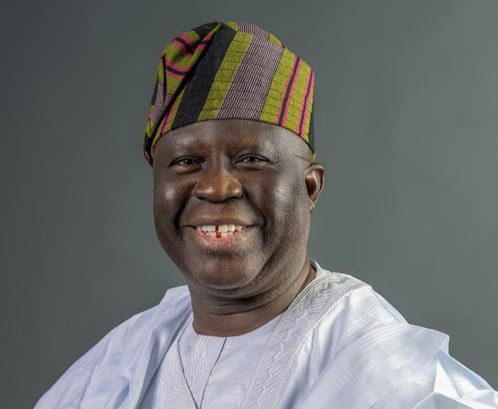
The Nigerian Senate's recent confirmation of Fasina as a non-career ambassador underscores the ongoing tensions surrounding appointments in the country’s diplomatic landscape. Despite widespread protests from various civil society groups and opposition lawmakers, the Senate Committee on Foreign Affairs, led by Senator Sani Bello, endorsed Fasina's nomination, emphasizing the need for experienced individuals in foreign diplomacy.
Opponents of the appointment argue that such decisions undermine meritocracy and could jeopardize Nigeria's international relations. "This appointment is a blatant disregard for public opinion and the principles of accountability," stated Senator Biodun Olujimi, a vocal critic of the confirmation. The protests reflect broader discontent regarding the government's approach to appointments, which many believe should prioritize diplomatic competence over political loyalty.
Looking ahead, the confirmation of Fasina could signal a shift in Nigeria's foreign policy approach, as political affiliations increasingly dictate ambassadorial appointments. This trend may raise questions about the effectiveness of Nigeria's diplomatic engagements, especially in an era where global partnerships are vital for economic recovery and regional stability. The implications of this decision will unfold as Fasina steps into his new role amid growing skepticism.