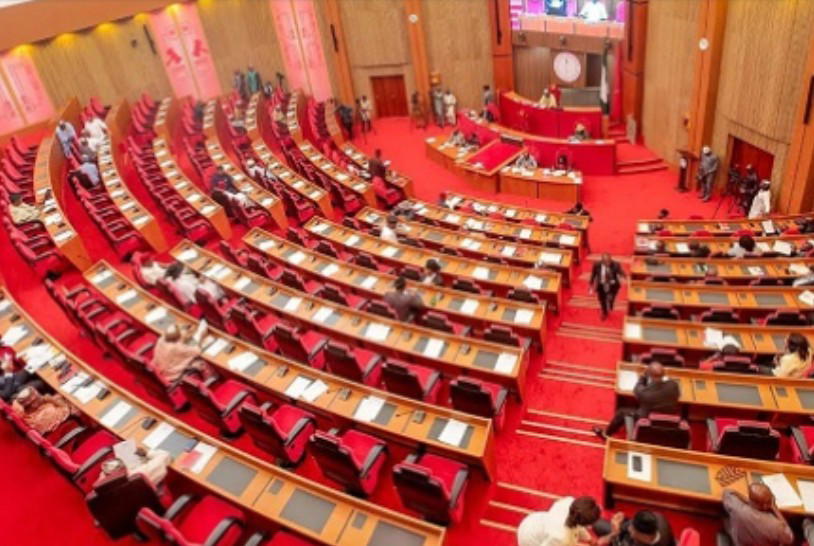
The recent Senate approval of state police marks a significant shift in Nigeria's security framework, reflecting growing concerns over local safety and governance. This decision, heralded by All Progressives Congress chieftain Mr. Olatunbosun Oyintiloye, aims to empower states to address their unique security challenges more effectively. Historically, Nigeria's centralized police force has struggled to respond adequately to regional issues, prompting calls for a more localized approach.
Oyintiloye emphasized the importance of this move, stating, "The establishment of state police is a historic milestone in our quest for a more effective, responsive, and community-oriented security architecture." This approval comes amid rising insecurity across the nation, with states seeking autonomy to tackle crimes specific to their regions.
As Nigeria prepares for the implementation of state police, the potential for improved community engagement and crime prevention is promising. However, the success of this initiative hinges on adequate funding, training, and oversight to ensure accountability. The coming months will be critical as states lay the groundwork for this transformative change in their policing strategies.