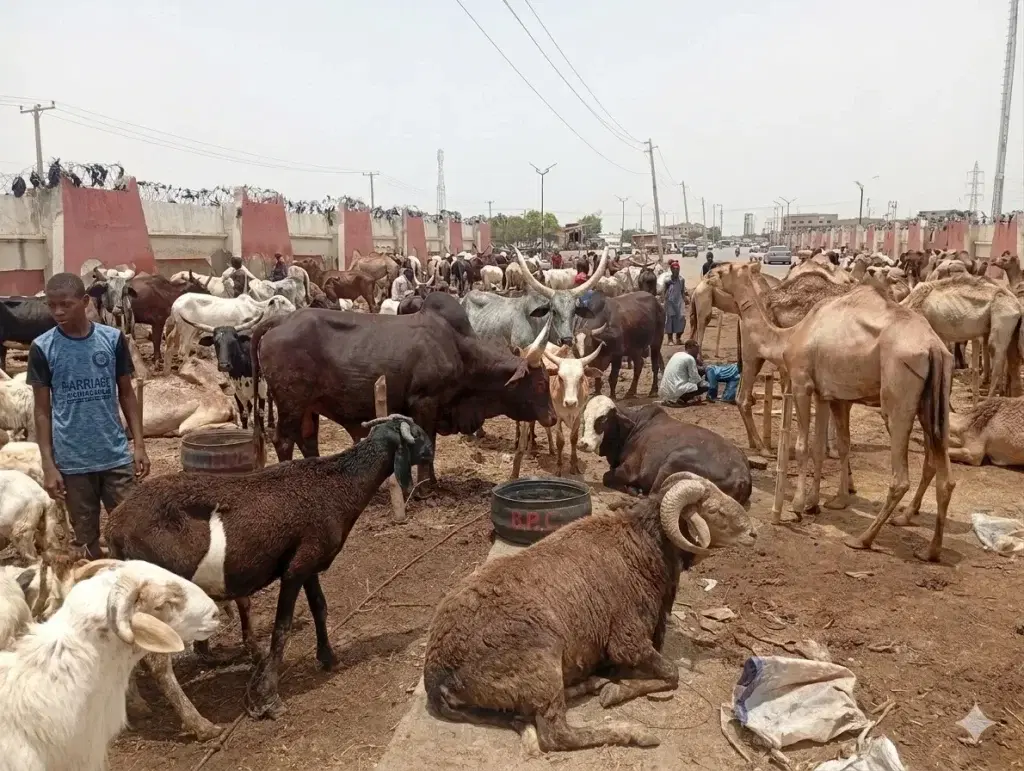
As Nigeria approaches the Sallah celebrations, the surge in sheep prices has drawn attention, with some exceeding 1.2 million naira, reflecting a growing demand for livestock during this festive period. Prices vary widely, ranging from 250,000 naira to the upper limits, depending on the size and quality of the sheep. This increase can be attributed to both heightened consumer demand for traditional practices and the impact of ongoing economic pressures.
Stakeholders in the livestock market, like Ibrahim Adamu, a livestock trader in Kano, emphasize the trends: "Sheep prices have skyrocketed due to the festive season; families are willing to spend more to uphold traditions." The rising costs not only affect consumers but also illustrate broader economic challenges, as inflation continues to strain household budgets.
Looking ahead, the livestock market's volatility may prompt consumers to seek alternative sources of celebration, potentially shifting purchasing patterns in the future. As the Sallah festivities unfold, the implications of these price changes will likely resonate beyond the immediate event, influencing both consumer behavior and market dynamics in Nigeria's agricultural sector.