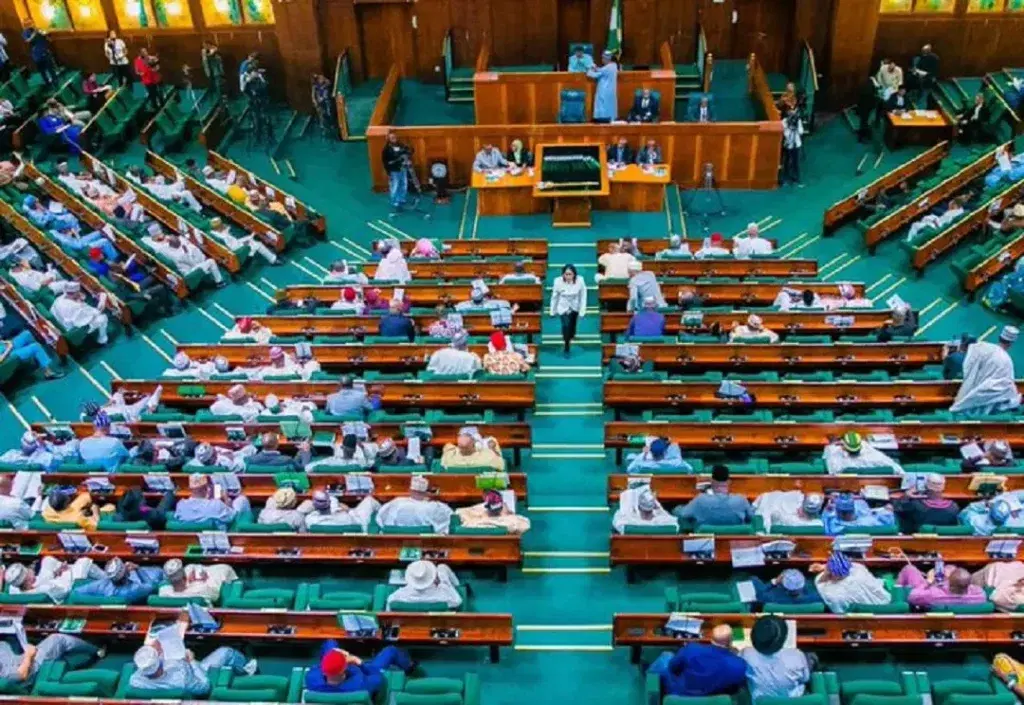
The urgent call from the House of Representatives for government intervention in the escalating prices of jet fuel underscores a critical moment for Nigeria's aviation sector. Rising costs of Aviation Turbine Kerosene (ATK) have been a growing concern, with domestic airlines warning of potential bankruptcy if the trend continues. The price instability not only threatens airline operations but also jeopardizes jobs and the broader economy reliant on air travel.
Stakeholders are alarmed, with Captain Musa Nuhu, Director-General of the Nigerian Civil Aviation Authority, stating, "If we do not stabilize jet fuel prices soon, we risk losing our airlines and the livelihoods of thousands who depend on this industry." The government's inaction could have devastating ramifications, affecting not just airlines but also tourism, freight, and international connectivity.
As the situation develops, the need for decisive action becomes increasingly apparent. The government must prioritize stabilizing fuel prices to safeguard the aviation sector, ensuring it remains viable and competitive. The outcome of this intervention will significantly shape the future of Nigeria’s aviation landscape and its economic resilience.