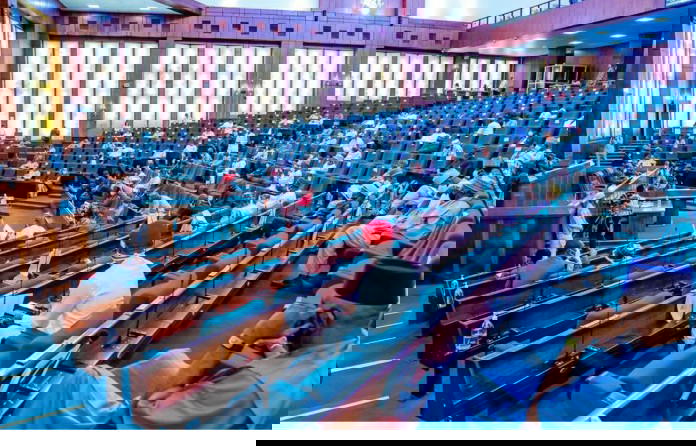
The recent scrutiny by the House of Representatives Committee on Finance regarding the Nigeria Customs Service's ₦34 trillion in import duty waivers underscores significant concerns over transparency and accountability in government revenue management. This demand for a detailed breakdown highlights the potential misuse of funds and the need for more stringent oversight in fiscal operations.
In 2025, these waivers were granted amid a backdrop of increasing economic challenges, raising questions about who truly benefits and how these decisions impact national revenue. The committee is particularly interested in the beneficiaries and the approval process behind these waivers. "We must ensure that every kobo is accounted for to protect public funds," stated James Faleke, Chairman of the Finance Committee.
As the investigation unfolds, the outcomes could lead to reforms in the customs system, potentially reshaping how waivers are granted in the future. This situation may also spark broader discussions about fiscal policy and government accountability, emphasizing the critical need for better governance as Nigeria navigates its economic landscape. The implications of these findings could resonate well beyond the financial sector, influencing public trust in government institutions.