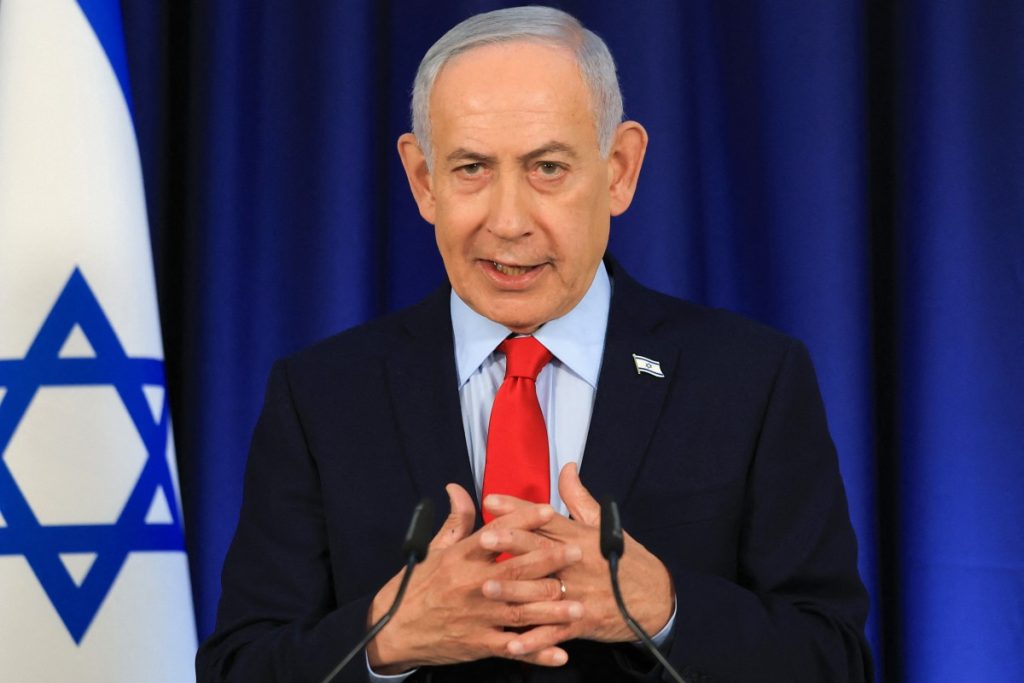
In a charged political landscape, former President Goodluck Jonathan has dismissed allegations of a ₦500 billion offer to manipulate votes in Southern Nigeria as "false and baseless." The claims emerged from a little-known website, with Jonathan's spokesperson, Eze, urging Nigerians to ignore the fabricated report, which he argues seeks to undermine the integrity of the electoral process.
The timing of the allegations is critical, as Nigeria approaches pivotal elections marked by intense competition among various political factions. Such unfounded claims can sow discord among voters and distract from substantive issues at stake. Eze stated, "We must focus on credible narratives and not on baseless rumors that threaten our democracy." This sentiment reflects a broader concern within the political elite regarding the potential for disinformation to disrupt the electoral landscape.
As the election date nears, it is imperative for stakeholders to reinforce a commitment to transparent and fair campaigning. With the electorate increasingly discerning, the response to these allegations will not only shape public perception but also influence voter turnout and engagement in the upcoming elections. The integrity of the electoral process remains a pressing priority for Nigeria's democratic future.