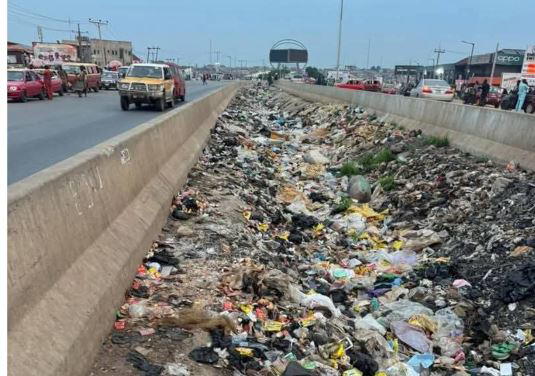
In Ondo, Oyo, Ekiti, and Ogun states, chronic waste management failures have led to severe public health risks, with refuse obstructing roads and drainage systems. This alarming situation highlights the urgent need for behavioral change and effective waste disposal practices among residents and local authorities. Recent reports indicate that an increase in uncollected refuse has correlated with rising cases of waterborne diseases, further stressing the importance of addressing this crisis.
"Poor waste management is not merely an environmental concern; it is a serious public health issue that requires behavioral change," emphasized Dr. Folake Adeyemi, a public health expert. This statement underscores the interconnectedness of waste management and community health, urging stakeholders to take immediate action.
As residents grapple with the consequences of mismanaged waste, local governments must prioritize comprehensive waste management strategies, including public awareness campaigns and improved collection services. Without a concerted effort, these states risk not only environmental degradation but also the health and safety of their citizens. The path forward lies in collaboration between government, community members, and health officials to foster sustainable waste management practices.

