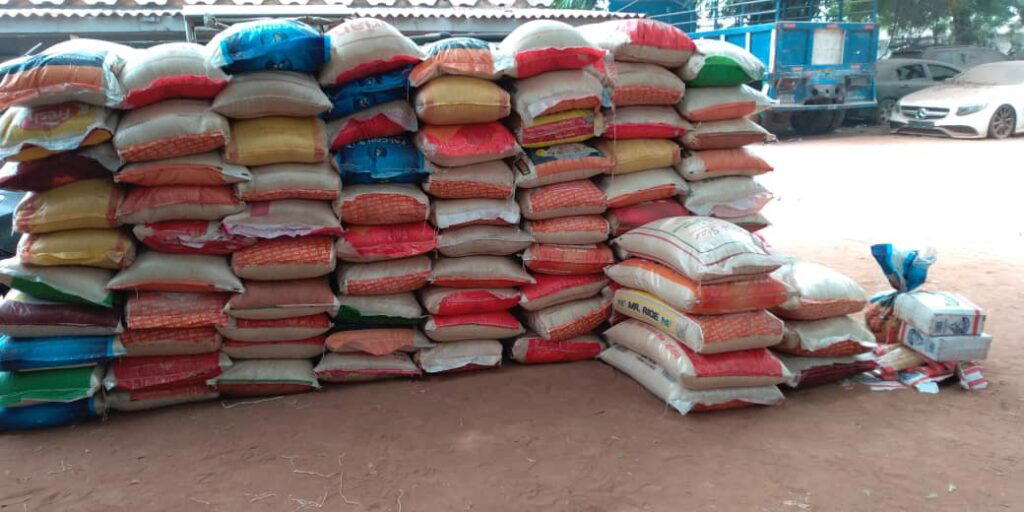
The recent report from the National Bureau of Statistics (NBS) reveals a troubling trend in Nigeria's food sector: monthly price increases for staples like beans, eggs, and garri, despite an annual price decline. This paradox underscores the volatility and complexities of the country's agricultural market, where inflationary pressures continue to challenge affordability for consumers.
In April 2026, prices surged, with beans and eggs witnessing notable monthly hikes. Agricultural experts attribute this instability to factors such as supply chain disruptions, adverse weather conditions, and rising production costs. “We are seeing a disconnect between short-term price fluctuations and long-term trends, which complicates consumer planning and food security,” said Dr. Amina Bello, an agricultural economist.
As the nation grapples with these economic challenges, the implications for food security and household budgets are significant. Stakeholders in the agricultural sector must work collaboratively to address these issues and stabilize prices. Moving forward, strategic interventions, including improved supply chain management and investment in local agriculture, will be crucial for ensuring a resilient food market in Nigeria.