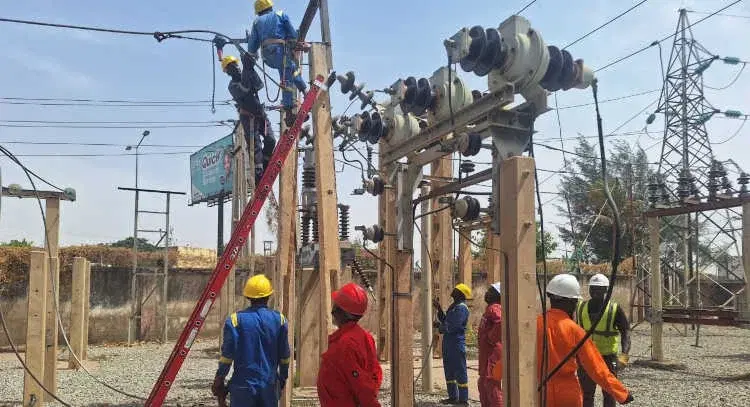
Nigeria's power sector is facing a severe crisis, marked by the failure of the Band regime, which aimed to optimize electricity distribution. Consumers now find themselves paying more for less, with generation output stagnating at a mere 3,000 megawatts. This stagnation has led to widespread dissatisfaction, as customers express frustration over not receiving the promised benefits of the Band A classification. "The classification is a lazy attempt to address deep-rooted issues in the sector," stated energy consultant Dr. Ngozi Okafor, highlighting the inadequacies of current policies.
The distribution companies (DisCos) are missing their delivery targets, exacerbating the already dire situation. As these companies grapple with poor infrastructure and management challenges, the gap between supply and demand widens, leaving consumers in the dark—literally and figuratively.
Looking ahead, stakeholders must urgently reassess strategies to revitalize the sector. A comprehensive reform that addresses the underlying inefficiencies and encourages investment in infrastructure is essential for restoring trust among consumers and stabilizing electricity supply in Nigeria. The current trajectory is unsustainable, and decisive action is needed to prevent further disillusionment.