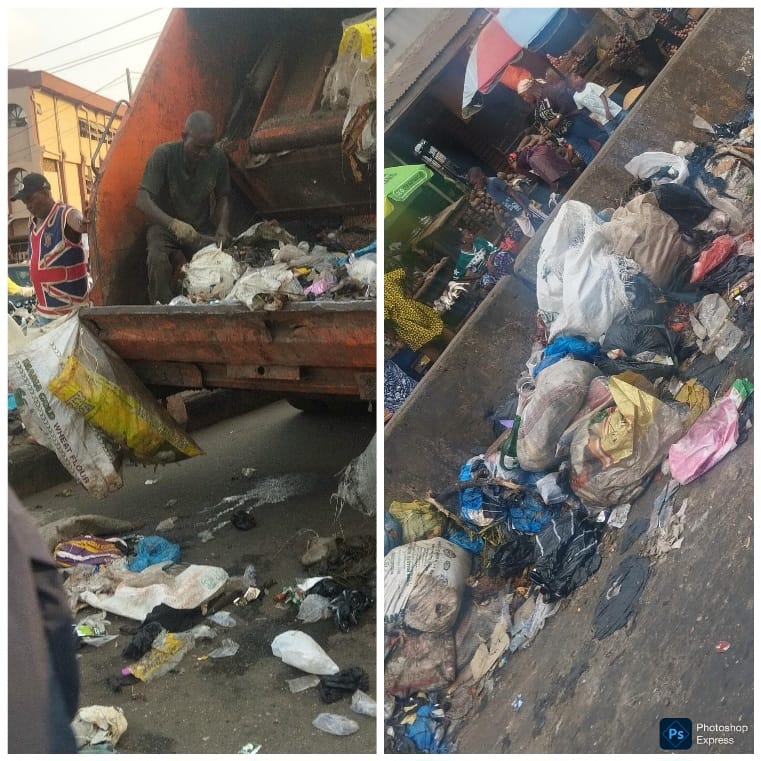
Lagos, Nigeria's bustling economic hub, is grappling with a sanitation crisis that threatens public health and the environment. From Oshodi to Ijegun, residents face the grim reality of indiscriminate waste disposal, leading to clogged drains and increased flooding risks. Recent reports indicate that over 80% of Lagosians lack access to proper sanitation facilities, exacerbating the challenges of urban living.
Stakeholders are voicing their concerns. "Without immediate action, we risk a public health disaster," warns Dr. Ayo Odukoya, a leading environmental health advocate. The state government's efforts to improve sanitation infrastructure have been hampered by bureaucratic inefficiencies and insufficient funding, leaving many communities in dire straits. The situation calls for a coordinated response that includes both government initiatives and community engagement.
As Lagos continues to expand, the need for sustainable waste management solutions becomes increasingly urgent. The city's leadership must prioritize sanitation reforms to ensure a healthier future for its citizens. Only through collaborative efforts can Lagos reclaim its status as a vibrant metropolis rather than a cautionary tale of neglect and decay.