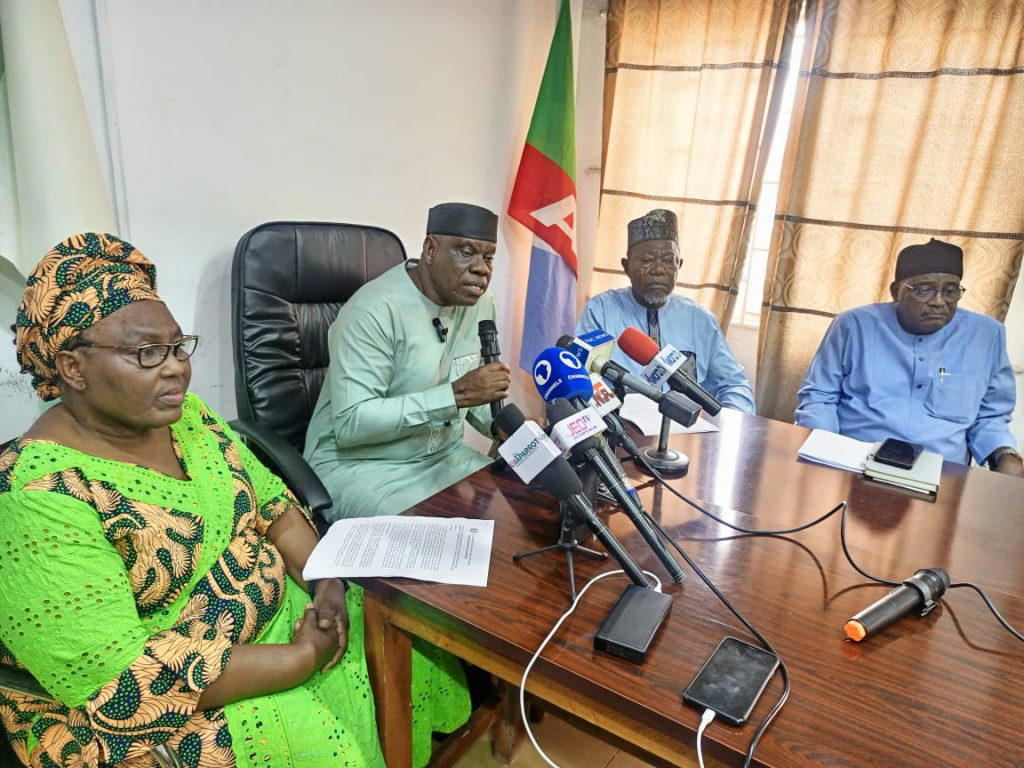
Nigerian politics is increasingly perceived as a marketplace rather than a system driven by public mandate, raising critical questions about the future of democracy in the nation. This shift has emerged amid widespread disillusionment with traditional political structures, where transactional relationships often overshadow genuine representation. Recent elections have demonstrated that many politicians prioritize personal gain over the public good, contributing to a growing erosion of trust among citizens.
Stakeholders are vocal about the consequences of this marketplace mentality. "When politics becomes a commodity, the electorate loses its voice," warns Dr. Amina Bello, a political analyst. She emphasizes that the commodification of politics threatens to alienate citizens and undermine democratic processes. As parties and candidates increasingly focus on appealing to the highest bidder, the potential for meaningful engagement diminishes, leaving many feeling disenfranchised.
Looking ahead, the challenge lies in re-establishing a political culture rooted in accountability and genuine representation. For democracy to thrive in Nigeria, a shift from this transactional approach to one that values the electorate’s mandate is crucial. Restoring trust will require not only reform but also a collective commitment to prioritize the public interest over personal ambition.