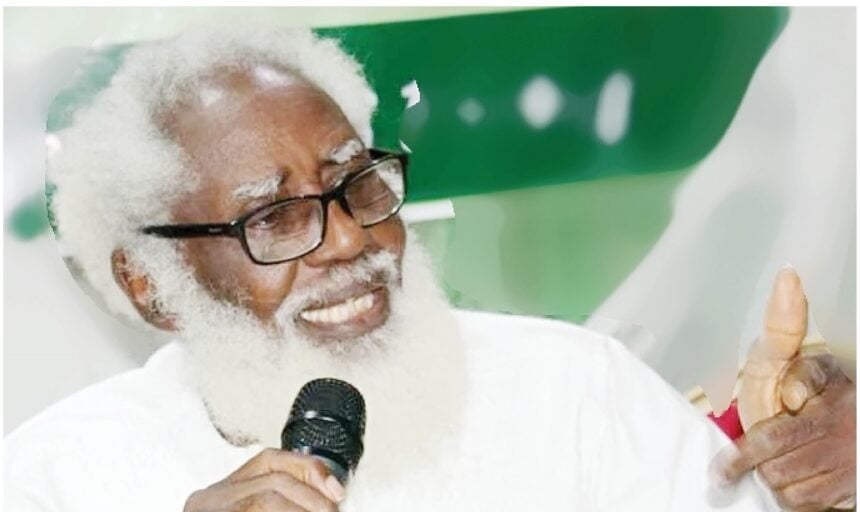
In a striking revelation, former Head of State Abdulsalami Abubakar has disclosed that politicians during the June 12 crisis were engaged in clandestine dealings with both Moshood Abiola and Bashir Tofa, accepting funds from both sides. This admission sheds light on the complex political machinations that overshadowed Nigeria’s tumultuous transition to democratic governance in the early 1990s.
Abubakar's comments highlight a critical aspect of Nigeria's political history, where personal gain often overshadowed public interest. He stated, “Many politicians were not loyal to any cause; they were merely in it for the money.” This raises questions about the integrity and motivations of leaders who shaped the nation's democratic landscape. With the anniversary of the June 12 elections approaching, this revelation may prompt renewed scrutiny of past political alliances and their impact on Nigeria's current governance.
As the country reflects on this pivotal moment, the implications of Abubakar's statement could ignite discussions about accountability and transparency in Nigerian politics today. Understanding these historical dynamics is crucial as Nigeria continues to grapple with issues of corruption and political fidelity in its quest for a stable democracy.