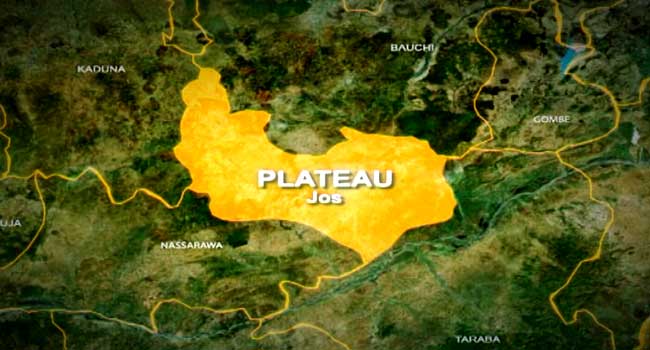
The Plateau State government's reassertion of its ban on non-transferable textbooks and graduation ceremonies in schools has reignited debates about educational policies and their implications for students. This directive, delivered by the Ministry of Education, underscores a commitment to equity in educational resources, emphasizing that any school defying the order will face severe penalties, including potential closure and revocation of licenses.
The policy aims to ensure that all students have access to essential learning materials, minimizing disparities created by purchasing burdens. The Education Commissioner, Dr. Sarah T. Emmanuel, stated, “We want a level playing field for all students. No child should be left behind due to financial constraints.” This proactive stance reflects a growing recognition of the need for inclusivity in education, particularly in regions where economic challenges are prevalent.
Looking ahead, the enforcement of this ban may prompt schools to reevaluate their financial models and resource allocations. As the state navigates these changes, stakeholders will be watching closely to see if the policy effectively fosters a more equitable educational landscape, potentially serving as a model for other regions facing similar challenges.

