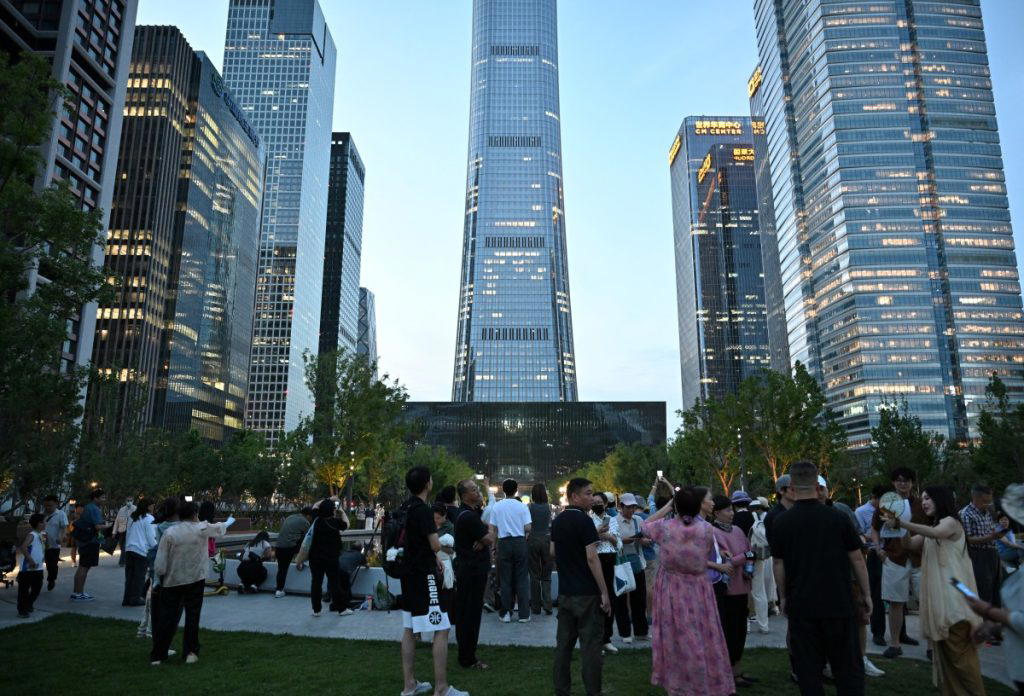
A tragic plane crash in Beijing's bustling central district has raised urgent questions about aviation safety and urban airspace management. On June 27, a small aircraft collided with the capital's tallest skyscraper, resulting in the pilot's death and injuries to 13 others, as confirmed by Chinese officials. The incident marks a rare, alarming occurrence in a city where air traffic is tightly regulated.
Authorities have yet to disclose the cause of the crash, prompting an investigation that could have significant implications for aviation protocols. As China continues to expand its air travel infrastructure, incidents like this underscore the risks associated with urban flights. "We must ensure that such tragedies do not happen again," said Wang Jian, a spokesperson for the Beijing Civil Aviation Bureau. This sentiment reflects the growing concern over air safety in densely populated areas.
Moving forward, the incident may catalyze stricter regulations and enhanced safety measures for small aircraft operations in urban environments. The potential for increased scrutiny could reshape how aerial activities are conducted, aiming to prevent future tragedies in one of the world's most dynamic cities.