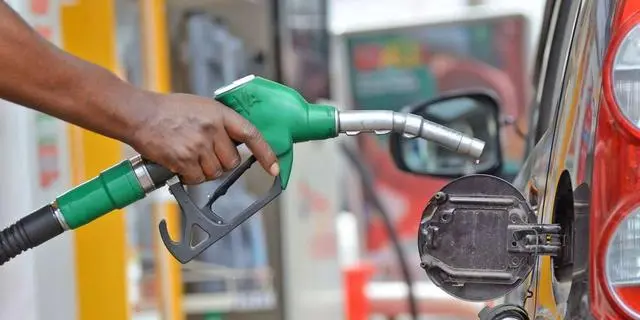
The recent petrol price hike has intensified the economic strain faced by motorists in the Federal Capital Territory, sparking widespread discontent among residents. As fuel prices surged to a record high, transport costs have skyrocketed, further exacerbating the already challenging living conditions in Abuja. The price increase has been attributed to global oil market fluctuations and local economic pressures.
Stakeholders are sounding the alarm about the ripple effects on daily life. “This price hike is a heavy burden on our families,” said Abdulai Musa, a local transport union leader. “Many of us are struggling to keep our businesses afloat, and this will only make things worse.” The frustration is palpable, with many commuters now facing the prospect of choosing between basic necessities and transportation.
Looking ahead, the implications of this increase could lead to heightened unrest if relief measures are not implemented promptly. The government's ability to address these economic challenges may determine the public's trust and stability in the capital. As the situation unfolds, the need for sustainable solutions to fuel pricing and transportation infrastructure becomes increasingly urgent.