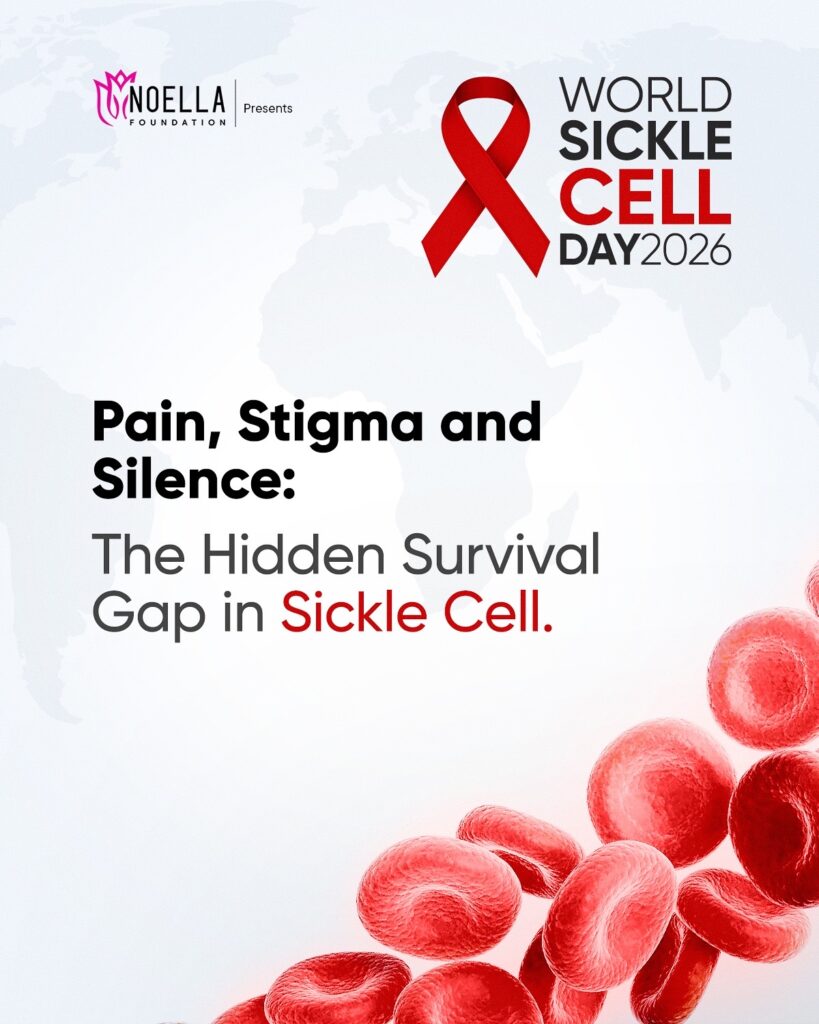
Sickle cell anaemia, a genetic blood disorder, exposes a stark survival gap between developed and developing nations. In wealthier countries, advancements in healthcare allow many patients to thrive into their 50s and 60s, while Africa continues to face alarming mortality rates due to inadequate access to treatment and societal stigma. Recent reports highlight that only a fraction of those living with the disease in Africa receive effective medical care, exacerbating the crisis.
Dr. Ifeyinwa Nwosu, a leading hematologist, states, “The burden of sickle cell disease in Africa is not just a health issue; it’s a societal challenge that requires urgent attention and action from all stakeholders.” The stigma surrounding the disease further complicates patient experiences, often leading to isolation and silence about their struggles.
Addressing this hidden survival gap necessitates a comprehensive approach that includes public awareness campaigns, improved healthcare infrastructure, and community support systems. As the global health community rallies to bridge this divide, the hope is that with concerted efforts, future generations will experience a world where sickle cell anaemia no longer dictates the quality of life.