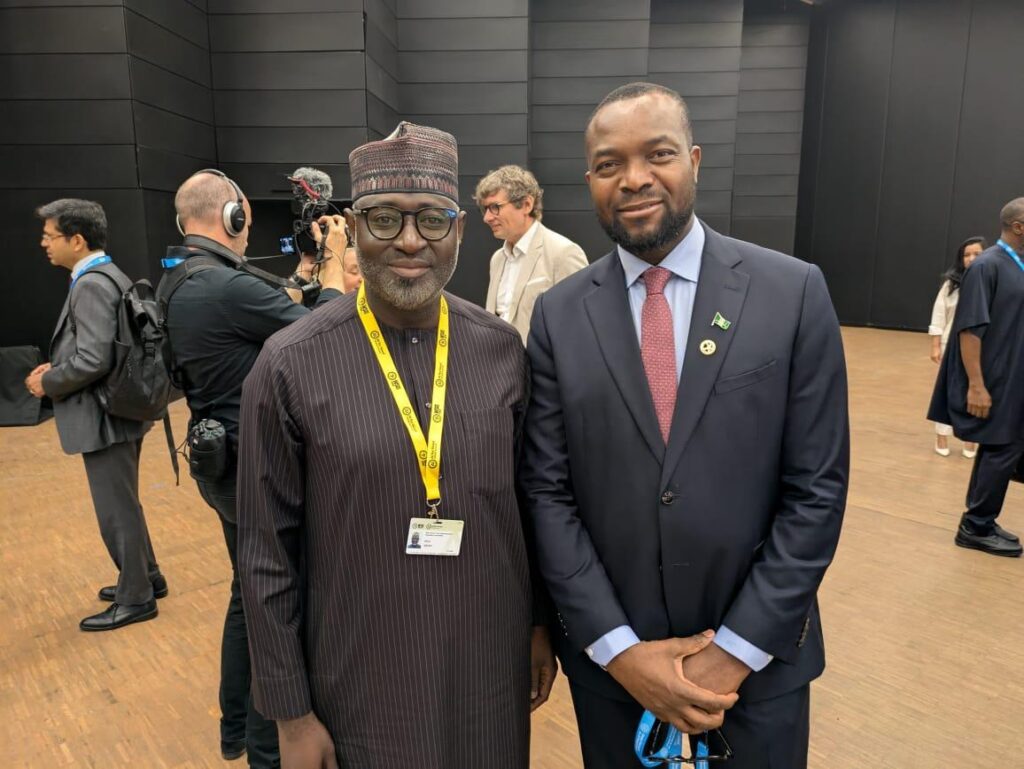
In a recent address, Nigeria's Minister of Finance, Wale Oyedele, underscored the imperative of grounding sustainable development in fiscal reality rather than illusion. As the government aims for a 7% growth rate and a $1 trillion economy, Oyedele emphasized that reforms must translate into tangible benefits for Nigerians. He stated, "We cannot build a sustainable future on fiscal illusion; our citizens must feel the impact of our reforms."
The inauguration of a new ministerial advisory committee, chaired by Abubakar Suleiman, reflects the government's commitment to steering economic policies toward this ambitious goal. This committee is expected to provide strategic guidance to ensure that fiscal measures align with the overarching vision of growth and stability.
However, the challenge remains in translating ambitious economic goals into real-world benefits, particularly in a nation grappling with significant socio-economic disparities. As the advisory committee begins its work, the focus will be on addressing these disparities and ensuring that policies resonate with the everyday experiences of Nigerians. Looking ahead, the success of this initiative will depend on effective execution and genuine engagement with the populace, fostering a sense of shared progress.