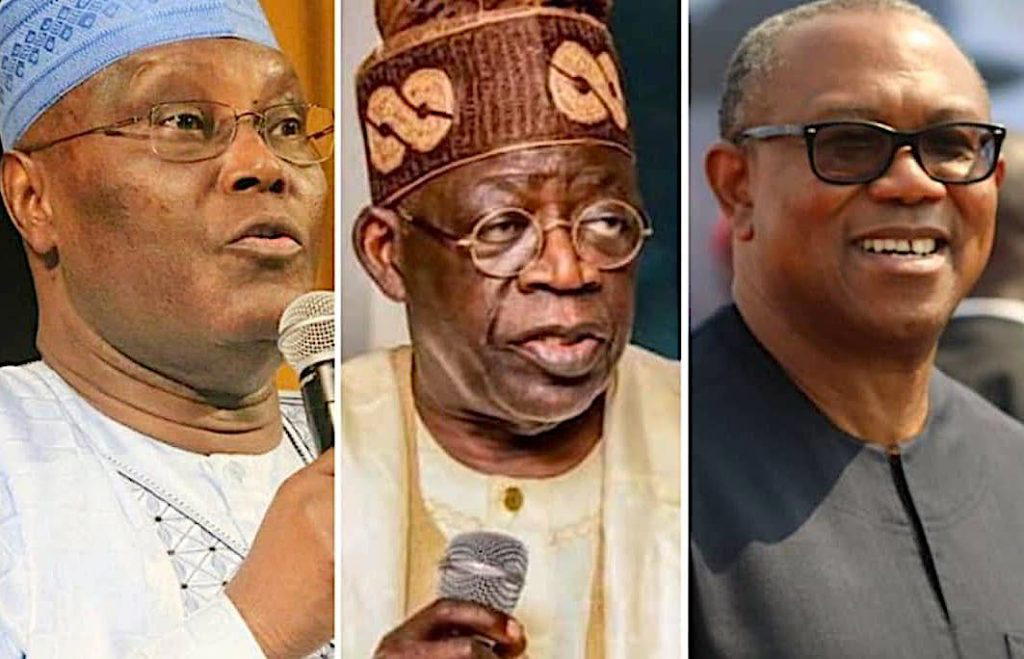
On Workers’ Day, Nigeria's political climate intensified as former Vice President Atiku Abubakar and Labour Party candidate Peter Obi criticized President Bola Tinubu's economic policies, highlighting the struggles of the nation’s workforce. Both leaders underscored the rising cost of living and unemployment, arguing that the current administration has failed to implement effective measures to alleviate workers' hardships.
Obi emphasized the urgency of the situation, stating, "Nigerians deserve better; we must prioritize the welfare of our workers to build a stronger economy." This sentiment resonates with many citizens who feel abandoned amid escalating inflation and stagnant wages. The criticisms from Abubakar and Obi reflect a broader discontent with the government's economic management, particularly in light of dwindling purchasing power and increasing poverty rates.
As the 2027 elections approach, the divide between the ruling party and opposition figures is likely to deepen. With public dissatisfaction growing, this Workers’ Day may mark a pivotal moment for political mobilization, challenging Tinubu's administration to respond to calls for reform and accountability. The forthcoming months will be crucial for shaping Nigeria's economic future and the political landscape leading up to the elections.