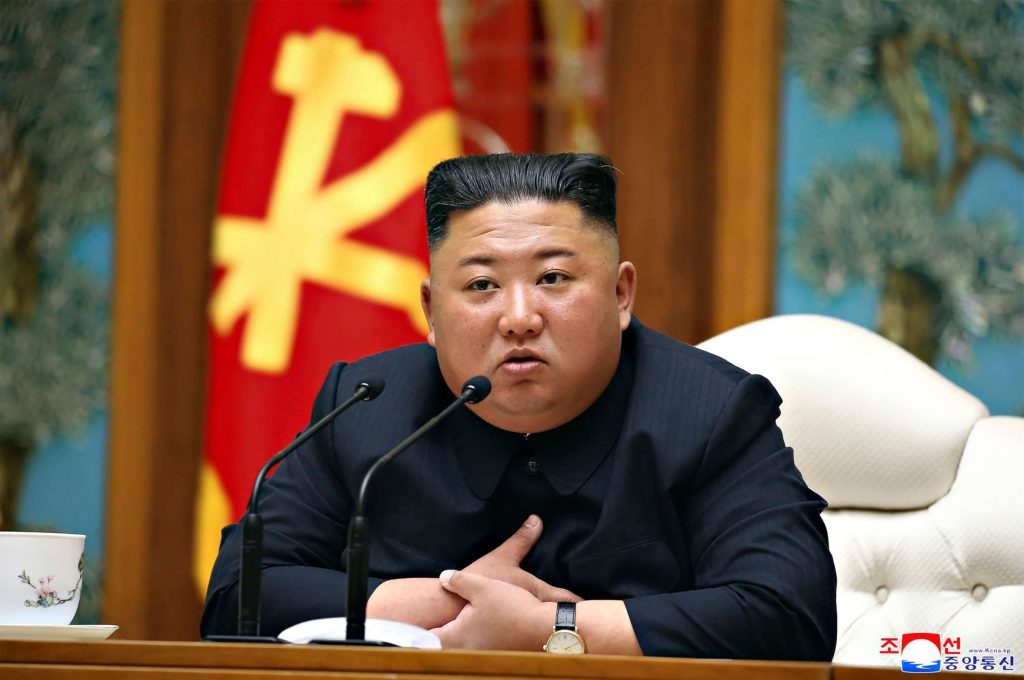
North Korea's recent declaration that it is no longer bound by the nuclear non-proliferation treaty marks a significant escalation in its long-standing defiance against international norms. This announcement comes on the heels of multiple nuclear tests and intensified sanctions that have isolated the country further from the global community. The regime's assertion underlines its commitment to advancing its nuclear capabilities despite widespread condemnation.
Kim Yo-jong, a senior official in the North Korean government, stated, "We will continue to strengthen our nuclear arsenal as a deterrent against aggression." This sentiment reflects a broader strategy aimed at consolidating power internally while projecting strength externally. The implications of this announcement are profound, as it undermines decades of diplomatic efforts to curb nuclear proliferation in the region.
As tensions escalate, neighboring countries and global powers must grapple with the reality of an emboldened North Korea. The international community faces the urgent challenge of recalibrating its approach to security in East Asia, particularly in balancing deterrence with diplomatic engagement to prevent further nuclear escalation. The future stability of the region hangs in the balance.