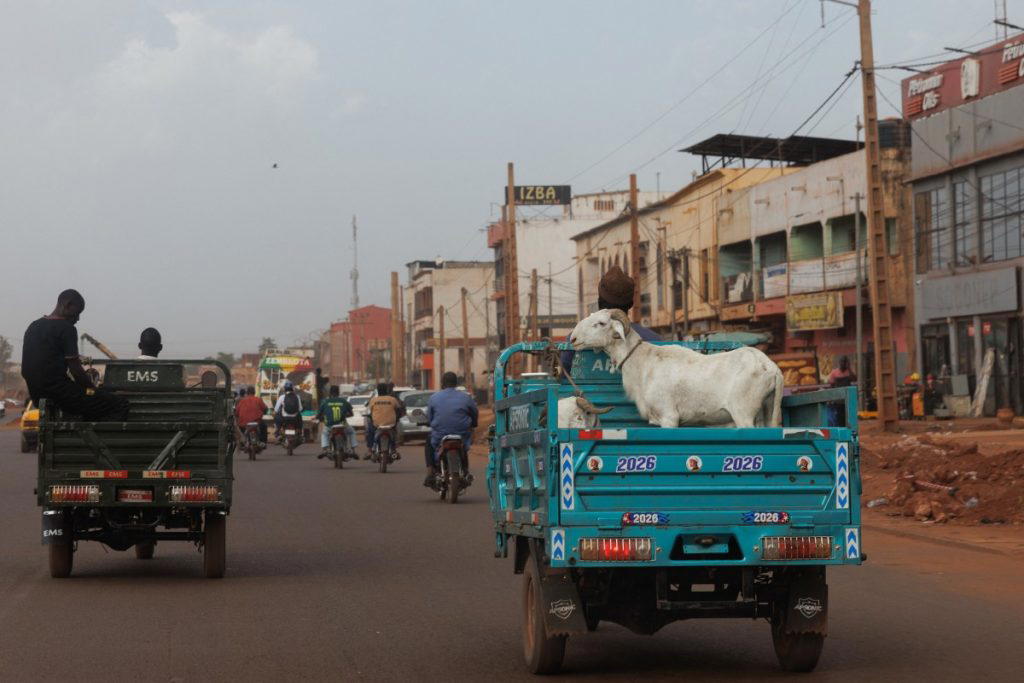
The ongoing jihadist blockade in Mali has cast a shadow over the Eid celebrations in Bamako, leaving many Muslims unable to reunite with their families for this significant occasion. This blockade, attributed to escalating violence from armed groups, underscores the deteriorating security situation in the region and the government's struggle to maintain control.
Recent reports indicate that jihadist factions have intensified their operations, effectively isolating the capital and creating a climate of fear among civilians. Local resident Mariam Diallo lamented, "Eid is a time for family and unity, but now we are prisoners in our own city." This sentiment reflects the deep frustration felt by many as they confront the dual challenges of insecurity and isolation.
As Mali grapples with these formidable threats, the implications extend beyond immediate security concerns. The blockade not only disrupts cultural traditions but also exacerbates humanitarian crises in an already fragile state. Moving forward, the international community must reevaluate its support strategies to address both security and socio-economic stability, ensuring that the people of Mali can reclaim their right to celebrate and gather in peace.