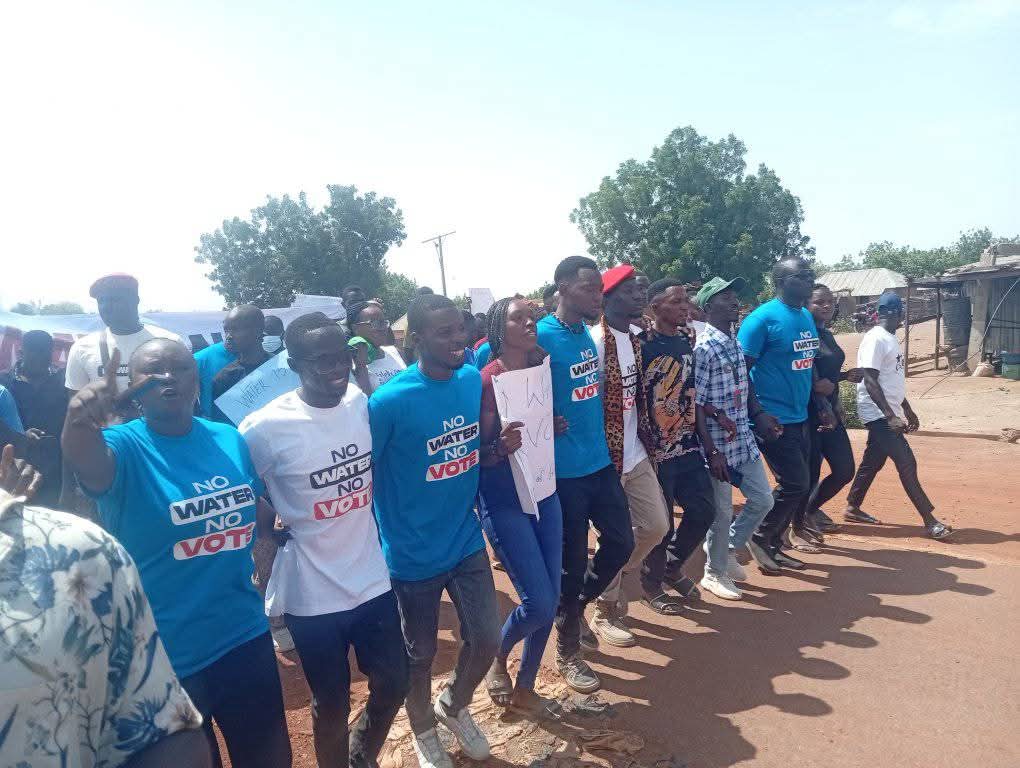
In the heart of Mabudi, a town nestled within Plateau State, a new wave of civil unrest bubbles to the surface. The usually tranquil streets are now alive with the voices of young protesters, their chants echoing against the sun-drenched buildings. They carry banners emblazoned with the phrase "No Water, No Vote," a succinct yet powerful message to government officials. This demonstration underscores a growing frustration with persistent water shortages that have gripped the community, turning everyday tasks into arduous challenges. The youths of Mabudi have taken a definitive stance, threatening to abstain from future electoral processes unless their basic need for water is addressed with urgency.
This protest is not an isolated incident but rather the tipping point of long-standing grievances that have been simmering for years. The water scarcity issue in Plateau State is deeply rooted in a combination of environmental and infrastructural challenges. The region, known for its lush landscapes and temperate climate, ironically suffers from a lack of access to potable water. This scarcity is exacerbated by inadequate government policies and insufficient investment in water infrastructure.