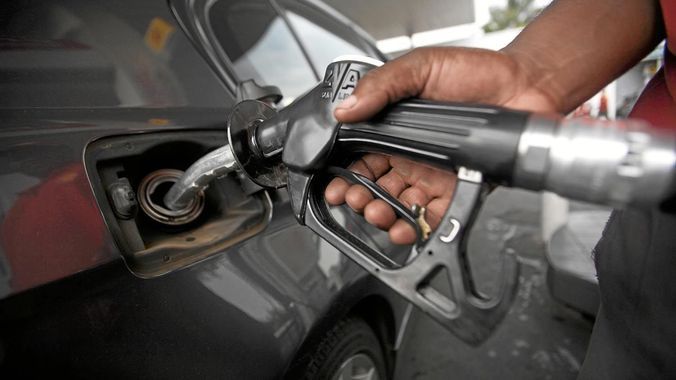
Nigeria's petrol consumption surged by 10.78% in April, reaching 52.4 million litres despite recent price increases, highlighting a complex dynamic in the country's energy sector. This rise is particularly striking given that crude imports have plummeted by 95%, indicating a shift in consumption patterns and perhaps resilience from consumers in response to economic challenges.
Analysts suggest that the increase in consumption may stem from a combination of factors, including the easing of fuel scarcity and a growing population's demand for transport. "Despite the price hikes, Nigerians need fuel for daily activities, and the demand remains robust," remarked Funke Adebayo, an energy economist. This sentiment reflects broader trends where price elasticity appears to be less significant in the short term for essential goods.
Looking ahead, the interplay between rising consumption and dwindling imports may pressure the government to reconsider its fuel pricing strategy and import policies. As the country navigates these challenges, stakeholders will be keenly observing how these dynamics influence both the economy and consumer behavior in the months to come.