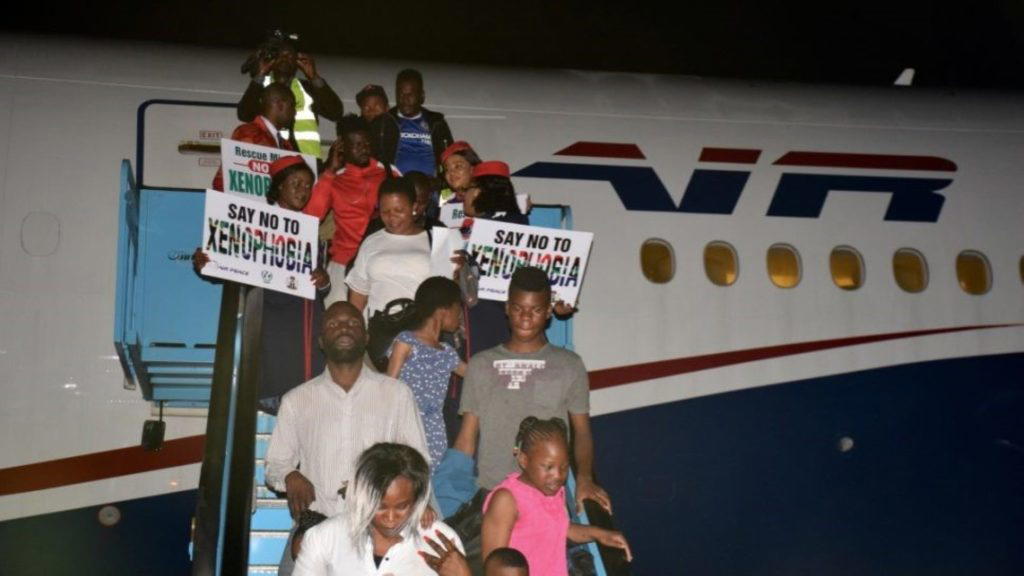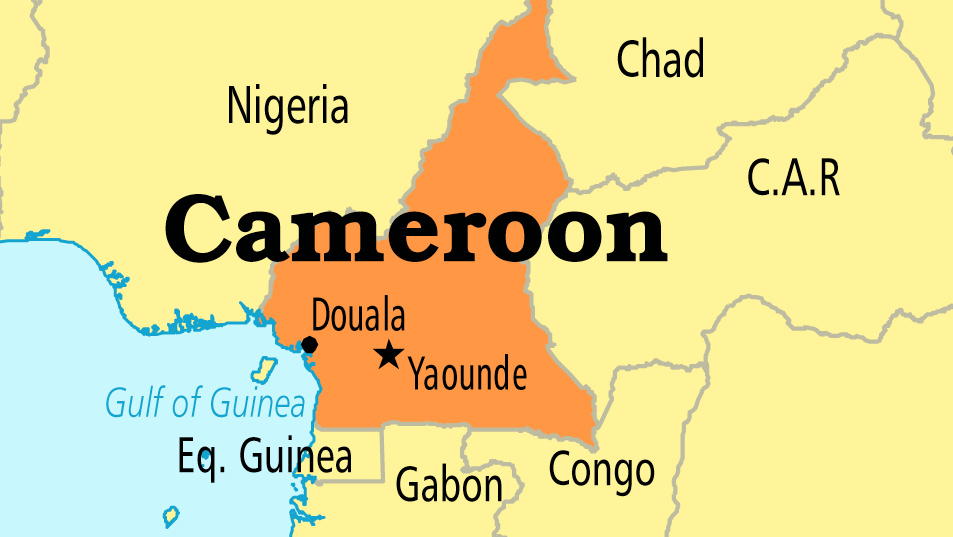
The recent expulsion of nine African migrants from the United States back to Cameroon underscores the ongoing complexities surrounding immigration policies and their human impact. These individuals, hailing from Ghana, Angola, Ethiopia, and Congo-Brazzaville, were returned amid growing scrutiny of U.S. immigration enforcement practices, particularly regarding vulnerable populations seeking refuge.
Their lawyer, Marie Ngoya, emphasized the troubling nature of the deportations, stating, “These individuals were fleeing dire circumstances, and their return puts them at significant risk.” This incident reflects broader trends in U.S. immigration policy, which has seen a tightening of asylum protocols and a focus on repatriating migrants who do not meet stringent requirements.
As the global discourse around migration evolves, the fate of these deported migrants raises questions about the responsibilities of host countries and the need for international cooperation to address the root causes of displacement. Moving forward, it will be critical for both African nations and the U.S. to engage in dialogue that prioritizes human rights and the protection of those seeking safety from persecution and conflict.