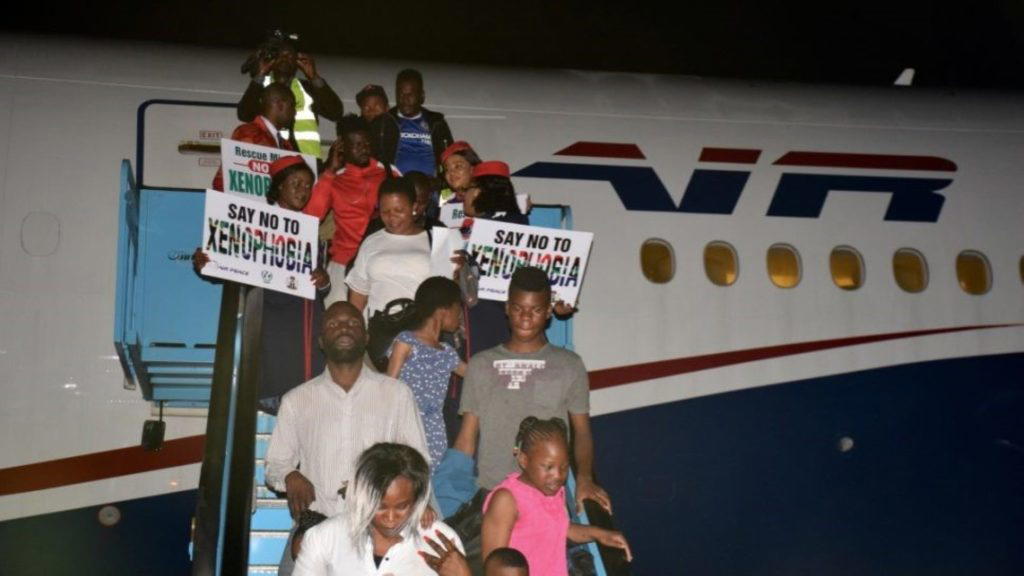
The recent expulsion of nine African migrants from the United States to Cameroon underscores the growing complexities of international migration policies. This move, executed under a controversial agreement aimed at managing migrant flows, highlights the precarious situation many face in transit countries. Human rights advocates have voiced concerns over the treatment and safety of these individuals upon their return.
According to Jean-Claude Njeuma, a human rights attorney in Cameroon, "This agreement puts vulnerable migrants at risk, as they often return to situations they fled from, without adequate support." The expulsion reflects broader trends in U.S. immigration policy, emphasizing deterrence rather than protection. The migrants, many of whom were fleeing conflict or persecution, now confront an uncertain future in a country grappling with its own socio-economic challenges.
As global migration pressures continue to mount, the implications of such agreements warrant scrutiny. The fate of these nine individuals may serve as a litmus test for the efficacy and morality of current policies, prompting urgent discussions on the need for comprehensive solutions that prioritize human rights and dignity.