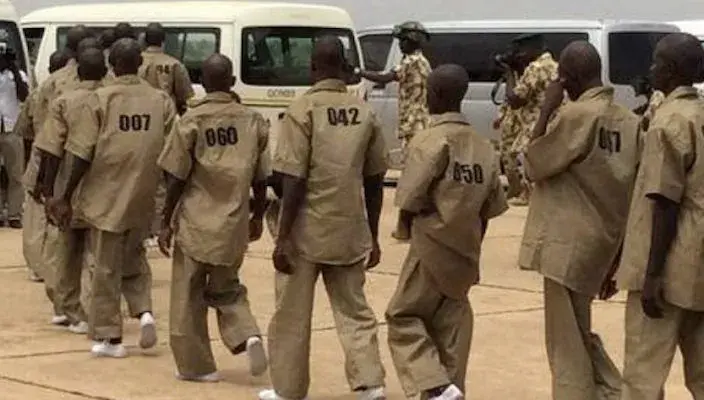
The Nigerian government's approach to rehabilitating former terrorists is facing intense scrutiny as citizens question the efficacy of initiatives like Operation Safe Corridor. Launched in 2016 by then-President Muhammadu Buhari, the program aimed to deradicalize ex-insurgents, promoting their reintegration into society as a means to achieve lasting peace. However, critics argue that this strategy overlooks the deep-rooted violence and ideology that drive terrorism.
Recent incidents of violence attributed to released combatants have fueled public skepticism. Lawmakers and community leaders express concern that true repentance is impossible for individuals deeply entrenched in extremist ideologies. "We cannot ignore the pain of victims who feel that terrorists can’t truly repent," stated Senator Ahmed Lawan, emphasizing the need for a more robust strategy that prioritizes the safety of Nigerians.
As the Nigerian government reflects on its security policies, there is a pressing need to balance rehabilitation efforts with stringent measures to ensure public safety. Moving forward, the challenge lies in developing a comprehensive strategy that addresses the complexities of radicalization while fostering genuine reconciliation.