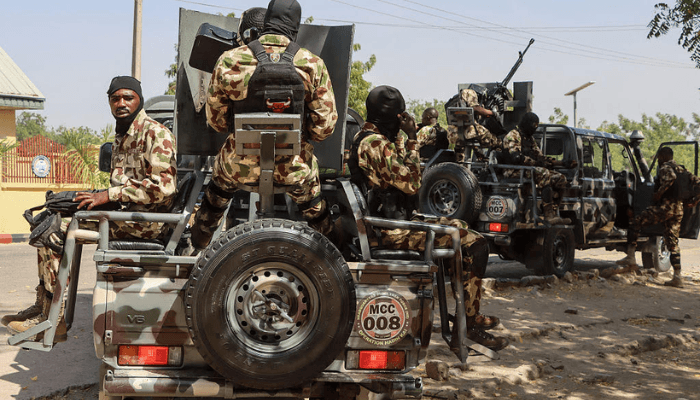
Nigeria's investment of N17 trillion in security over the past decade has failed to curb escalating violence and instability. Despite successive budgets allocating unprecedented funds to military and police forces, the country still grapples with rampant terrorism, banditry, and communal clashes. The government's reliance on financial outlays as a one-size-fits-all solution has proved inadequate in addressing the complex roots of insecurity.
Recent reports indicate that crime rates have only intensified, prompting critics to question the effectiveness of this fiscal approach. "Throwing money at security without strategic planning has not yielded the desired results," says Amina Ibrahim, a security analyst. This sentiment reflects a growing consensus that Nigeria's security challenges require a multifaceted strategy rather than mere financial investment.
As Nigeria continues to face these daunting security challenges, policymakers must pivot from a purely monetary focus to a comprehensive strategy that includes community engagement, systemic reforms, and intelligence-driven operations. The urgency for a more effective response is clear, as the safety and stability of millions hang in the balance. Without a fundamental shift in approach, the country risks further deterioration in its security landscape.