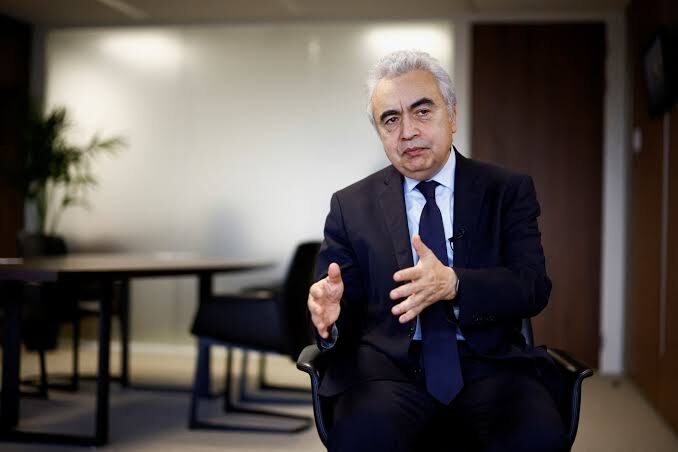
Nigeria's recent admission as an associate member of the International Energy Agency (IEA) marks a significant milestone for Africa's largest oil producer, underscoring its increasing role in global energy discourse. The IEA chief highlighted this accession process as "the fastest ever," reflecting Nigeria's urgent need to align its energy policies with international standards and practices.
This swift membership comes as Nigeria grapples with the dual challenges of oil production volatility and a pressing transition towards renewable energy. By joining the IEA, Nigeria aims to bolster its energy security, attract foreign investment, and enhance its technological capabilities in energy efficiency. As IEA Executive Director Fatih Birol noted, "This membership will help Nigeria leverage its energy resources while committing to sustainable practices."
Looking ahead, Nigeria's participation in the IEA could reshape its energy landscape, offering pathways for diversification and modernization. The nation must now navigate the complexities of balancing its fossil fuel heritage with an ambitious renewable energy agenda, a challenge that could redefine its economic future in a rapidly evolving global energy environment.

