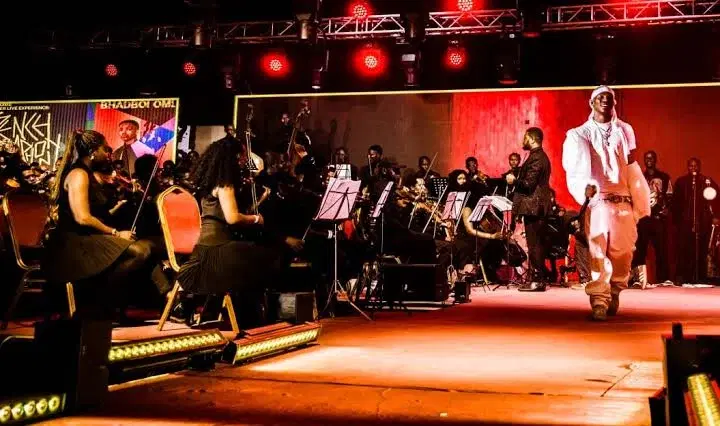
Since 2015, Nigeria's vibrant festivals have increasingly morphed into somber occasions, mirroring the nation's mounting socio-economic challenges and security concerns. Once celebrated for their rich cultural expressions, these events have become reminders of loss, with the shadow of violence and instability looming large.
Key developments over the past decade, including the rise of terrorism and widespread poverty, have transformed communal gatherings into reflections of grief rather than joy. “What was once a celebration of life has turned into a day of mourning,” lamented Amina Yusuf, a cultural historian. The emotional toll on communities is palpable, as traditional rituals that once fostered unity now evoke sadness and fear.
Looking ahead, the resilience of the Nigerian spirit will be tested. Efforts to restore the celebratory nature of these festivals hinge on addressing the root causes of unrest and fostering a sense of security among the populace. As communities grapple with these changes, the potential for renewal remains, offering a glimmer of hope that joy may one day return to Nigeria's cultural landscape.